
Can a Convicted Felon Vote in Arizona? Rights and Restoration Requirements
Voting rights for people with felony convictions in Arizona follow specific rules that differ from many other states. If you have a felony on your record, you may lose your right to vote temporarily, but the process to get that right back depends on your individual situation.
The rules in Arizona are based on factors like how many felonies you have been convicted of and whether you have finished your complete sentence. Understanding these requirements can help you figure out if you are eligible to vote and what steps you need to take to restore your voting rights if they were taken away.
Key Points

People convicted of felonies in Arizona lose their right to vote while serving their sentence. These rights can come back after you finish your full sentence and pay what you owe to the court.
First-time felony conviction: Your voting rights return automatically once you complete everything the court requires.
Multiple felony convictions: You need to apply through the court system to get your voting rights back.
Requirements for restoration:
- Complete your entire sentence
- Finish probation or parole
- Pay all fines and restitution
Certain serious crimes may result in permanent loss of voting rights. These include treason and felonies related to elections.
If your conviction happened in another state, you may need to file an application even for a first offense. A judge will review your case and decide whether to restore your rights.
Legal help can make this process easier to understand and complete correctly.
Voting Rights for People with Felony Convictions in Arizona
If you have a felony conviction in Arizona, your voting rights are affected but not necessarily lost forever. When you receive a felony conviction, you lose certain civil rights, including your right to vote. However, you can regain these rights after completing your sentence.
The path to restoration depends on your specific situation. If this is your first felony conviction, your voting rights return automatically once you finish your entire sentence. This includes completing any jail time, probation, parole, and paying all court-ordered restitution.
Your voting rights may be affected by:
- Number of prior felony convictions
- Type of crime committed
- Where the offense took place
- Whether you completed all sentence requirements
Some offenses carry permanent voting restrictions. If you committed treason or an election-related crime, you may face permanent loss of voting rights. Multiple felony convictions also create different restoration requirements than a single conviction.
You should consult with an attorney to understand your specific situation and navigate the rights restoration process.
Eligibility Requirements for Voter Registration in Arizona
Arizona law sets specific requirements that you must meet to register to vote. You need to be a United States citizen and provide proof of your citizenship. You must be at least 18 years old by the next general election date.
You also need to be able to write your name or make a mark, unless you have a physical disability that prevents this. The state requires you to live in Arizona for at least 29 days before an election, though some exemptions exist.
Additional Requirements:
- You cannot have been legally declared incapacitated by the court
- You must not have a felony or treason conviction, unless your voting rights have been restored
People with misdemeanor convictions keep their right to vote in Arizona. If you have a felony conviction, you may still be able to register to vote once you meet certain conditions. The state handles voting rights differently based on your criminal history and whether you have completed all requirements of your sentence.
Loss of Civil Rights for Felons and Effects on Voting Eligibility
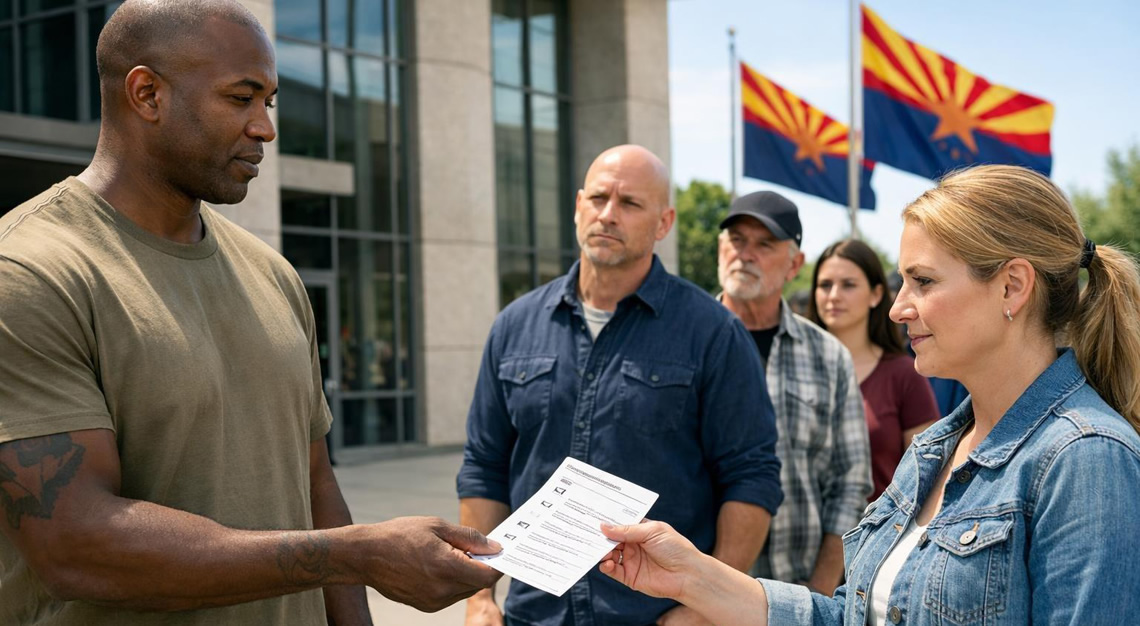
When you are convicted of a felony, Arizona law removes several of your civil rights. You cannot vote in elections while serving your sentence. You also lose the right to hold public office, serve on a jury, or possess firearms.
Rights suspended after a felony conviction include:
- Voting privileges
- Holding positions in public office
- Jury service
- Firearm ownership and possession
These restrictions apply whether you are in prison, on probation, or on parole. Arizona statute 13-904 governs these suspensions. Additional limits may apply if you are incarcerated and officials determine restrictions are needed for security or public safety.
You may regain your right to vote after you finish your entire sentence. This means completing prison time, probation, and parole. Restoration of voting rights happens after you meet all sentencing requirements.
Getting Your Voting Rights Back After a Felony Conviction
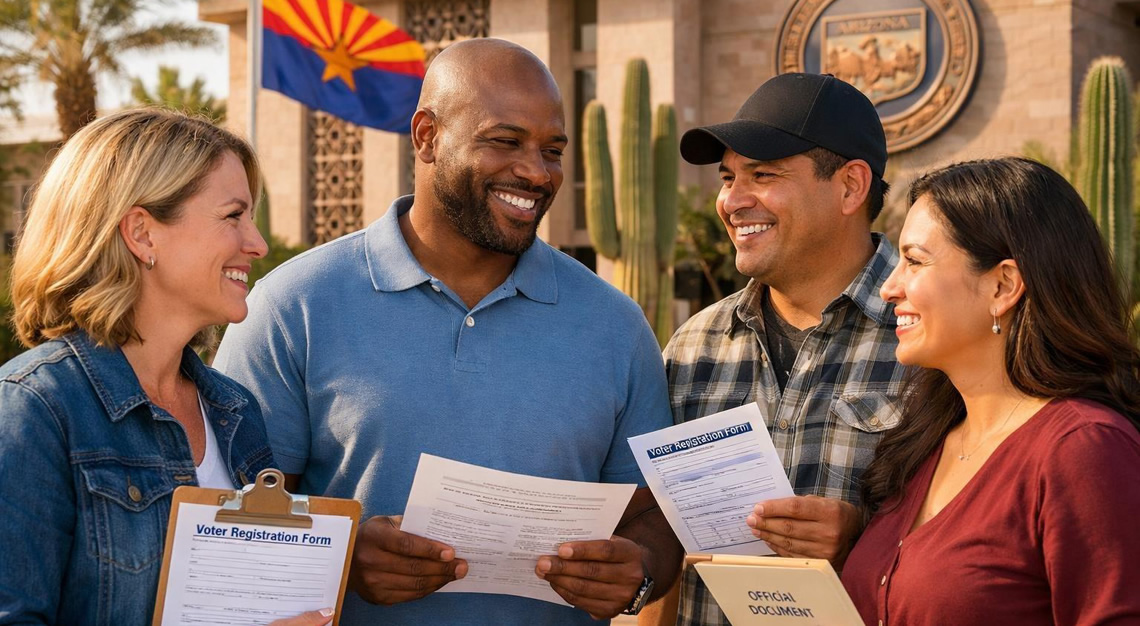
When you complete your sentence, you may be able to get your voting rights back. The process depends on your specific situation and criminal history. Arizona law has different rules for first-time offenders compared to those with multiple convictions.
If you are a first-time felon in Arizona, your civil rights, including voting, come back automatically once you finish probation or get released from prison. You also need to pay all restitution in full. This automatic process under ARS 13-907 means you usually don't need to file paperwork if your offense happened in Arizona and you live in the state.
However, you will need to apply for rights restoration in certain situations. If your felony happened in another state, you must submit an application to your current Arizona county. People with more than one felony conviction also need to apply through the court system. ARS 13-908 requires anyone with multiple felonies or unpaid victim restitution to go through the application process with Arizona's superior court.
How to Apply for Rights Restoration and Register to Vote
ARS 13-906 explains how you can get your civil rights back, including your right to vote. During your sentencing, the court must tell you about rights restoration. The judge should explain this both in writing and out loud in court.
If you qualify for automatic restoration, the court will tell you which rights come back after you finish probation or get released. If you don't qualify for automatic restoration, the court must explain when and how to apply. Keep in mind that the process can be different depending on which county you live in.
You have several options for submitting your application:
- You can file it yourself
- Your attorney can file it for you
- Your probation officer can file it on your behalf
You do not need to pay a filing fee. You must send a copy of your application to the county attorney or attorney general. If the court approves your request, the court clerk will notify the Department of Public Safety (DPS). The DPS will then update your record to show your restored rights.
Once your voting rights are restored, you can register to vote through your county's resources. Your county website will have the registration forms and information you need.
| Step |
Action Required |
|
1 |
Complete sentence and pay restitution |
|
2 |
Submit application (if required) |
|
3 |
Wait for court approval |
|
4 |
Court clerk notifies DPS |
|
5 |
Register to vote through county |
Unique Cases and Legal Barriers
The court does not approve every request to restore voting rights. Some people face permanent loss of voting rights, especially those convicted of class 1 felonies in Arizona.
Certain crimes may result in permanent inability to vote:
- Treason – Acting against the country by trying to overthrow the government
- Election crimes – Committing voter fraud, changing ballots, or damaging the election process
- Public trust violations – Major corruption or misuse of public office
- Serious violent crimes – Offenses like first-degree or second-degree murder
If your rights restoration requires court approval under ARS 13-906, the victim of your crime can participate in the hearing. They can share their views about whether you should get your rights back. The prosecutor must notify victims who asked for post-conviction updates about your application and their right to speak.
The court must give you written reasons if it denies your application. This explanation helps you understand why your request was rejected.
Working with a lawyer can improve your chances of success. An attorney can file the application for you and speak for you in court. They can also help you understand what to expect from the review process. Legal help is especially useful if you have a complex case or face opposition from victims or prosecutors.
The Effect of Giving Former Felons Their Vote Back
Restoring the right to vote can affect many parts of a person's life after a felony conviction. When you regain your voting rights, you get your voice back in the political process. This can help you feel more connected to your community and give you a sense of responsibility as a citizen.
Getting your voting rights back can support your path to becoming a full member of society again. You may feel more motivated to participate in your community and seek employment opportunities. This matters because criminal justice aims to help people become productive citizens who follow the law.
When states restore voting rights, they make a statement about their values. They show that democratic participation matters and that people deserve another chance. Being able to vote again means you can influence policies that affect your life and your community.
Resources for Felons Seeking to Restore Voting Rights
Several tools and organizations can help you navigate the process of regaining your voting rights. Start by checking your current registration status through your state's official voter portal. The Secretary of State's website offers an online system where you can verify if you remain registered.
Legal professionals can provide personalized guidance based on your specific situation. A qualified attorney can evaluate your eligibility and explain the steps you need to take. They can also direct you to the correct county office where you need to complete your registration paperwork.
Key resources include:
- State voter information websites for status checks
- County election offices for registration forms
- Criminal defense lawyers for legal advice
- Community advocacy groups specializing in rights restoration
If you still have probation requirements or other legal obligations, professional legal help becomes especially important. An attorney can walk you through each requirement and help you understand when you will become eligible. Many counties maintain their own voter registration departments that handle applications and answer questions about local procedures.
Get Help With Your Voting Rights Restoration
You don't have to handle the voting rights restoration process alone. Legal professionals can guide you through each step and make sure you meet all requirements.
A criminal defense attorney can help you understand if your rights are automatically restored or if you need to apply. They can review your case details and explain what actions you need to take.
Legal support is especially helpful if your situation is complex. You might need assistance if you were convicted in another state or if your court-ordered sentence has specific conditions.
An experienced lawyer can:
- Check if you have completed all requirements for restoration
- Help you gather necessary documentation
- File applications if automatic restoration doesn't apply
- Answer questions about your specific case
- Navigate confusing laws and procedures
Getting legal help increases your chances of successfully restoring your voting rights. Attorneys who work with voting rights restoration understand the process and can spot potential issues before they become problems.
You can contact a criminal defense law firm to discuss your options. Many attorneys offer consultations to review your situation and explain how they can assist you.
Reach out to the criminal defense team at (602) 600-0447 to discuss your case. You can get legal advice that fits your specific circumstances and learn what steps to take next.


