
What Can Cause a False Positive Breathalyzer Test in Arizona: Common Causes and Legal Defenses
Arizona records thousands of DUI arrests every year. With so many tests being conducted, mistakes happen when police try to figure out if drivers have been drinking.
False positive breathalyzer results are a problem that affects innocent people more often than many realize. A breathalyzer might show you have alcohol in your system even when you haven't had anything to drink. This can lead to arrest, legal trouble, and damage to your reputation based on incorrect test results.
How Do Police Officers Determine Drunk Driving?
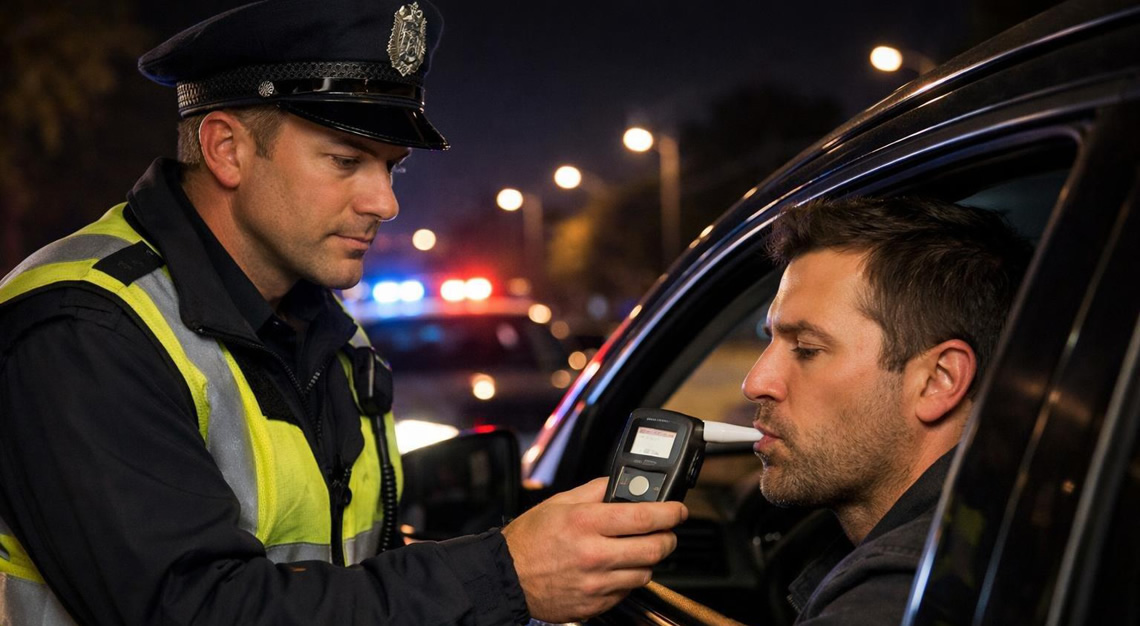
When an officer stops you for suspected DUI, they use two main methods to check if you're impaired. The first method involves physical tests that check your balance and coordination. These tests include standing on one leg, walking in a straight line and turning, and following an object with your eyes while keeping your head still. Officers watch how well you perform these tasks to judge your level of impairment.
The second method uses a device that measures alcohol in your breath. This test gives officers a number that shows your blood alcohol level. This reading is the key factor in determining whether you face driving under the influence charges. The test result also affects how serious your charges might be. Officers rely heavily on this device because it provides specific measurements rather than just observations.
Both testing methods work together to help officers decide if you should be arrested for DUI.
Do You Have to Take a Breathalyzer Test in Arizona?
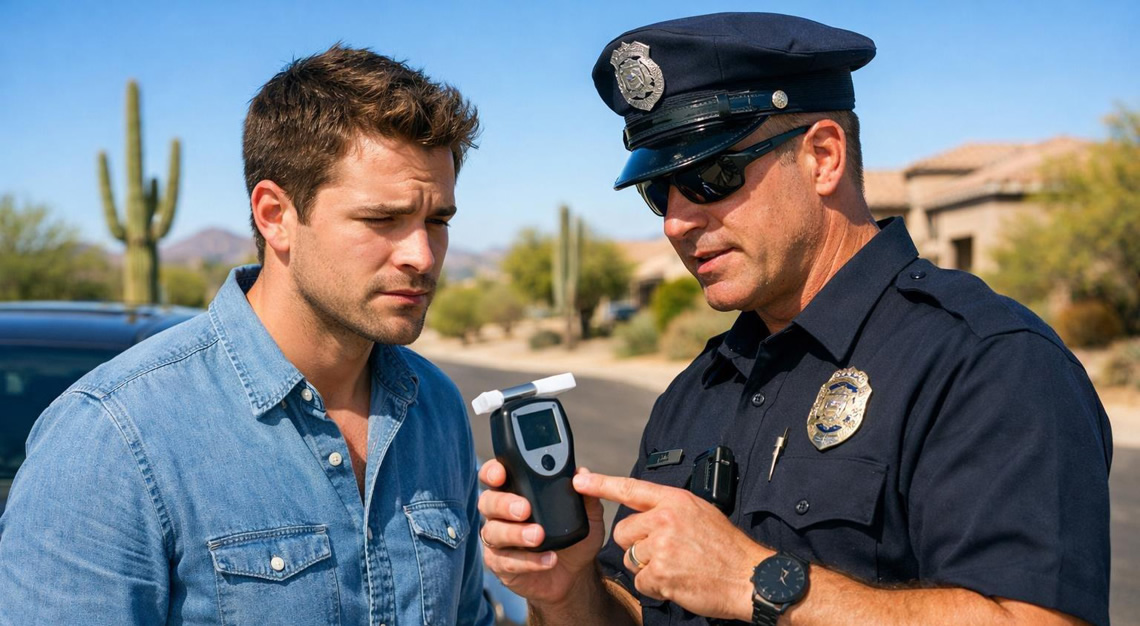
You have the legal right to refuse a breathalyzer test in Arizona. However, exercising this right comes with serious penalties that often make refusal a poor choice.
When you refuse testing, the officer can still arrest you for DUI based on other observations. Your refusal simply delays the process while adding extra penalties on top of any DUI charges.
Arizona penalizes breathalyzer refusal through automatic license suspensions:
| Offense |
Suspension Length |
|
First refusal |
12 months |
|
Second refusal (within 7 years) |
24 months |
|
Third refusal (within 7 years) |
24 months |
These suspensions happen regardless of whether you are ultimately convicted of DUI. The penalties stack on top of any other consequences you face from a DUI arrest.
Refusing the test does not protect you from arrest. Officers can use field sobriety tests, driving behavior, and physical signs of impairment to establish probable cause for a DUI arrest.
Breathalyzer Test Readings
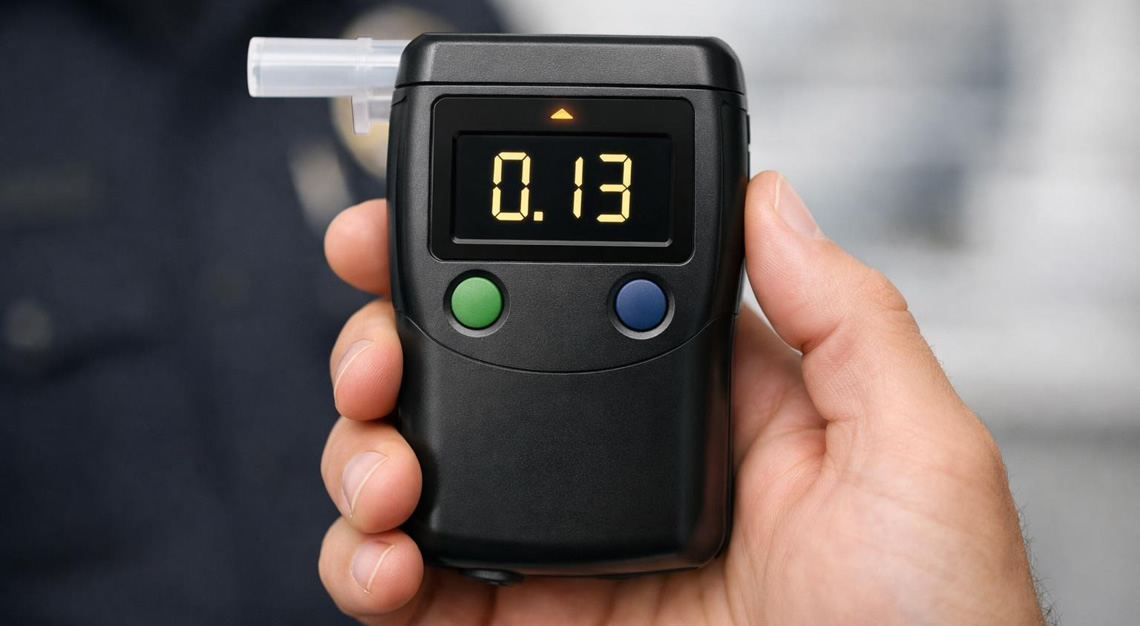
Police officers use a breathalyzer to check if your blood alcohol concentration (BAC) exceeds the legal threshold of 0.08%. The device measures alcohol in your breath to estimate your blood alcohol content.
If your BAC registers above 0.08%, you face charges based on specific BAC ranges. A standard charge applies when your BAC falls between 0.08% and 0.14%. Commercial drivers face stricter standards with a legal limit above 0.04%.
Higher BAC levels result in more serious charges. An extreme charge occurs when your BAC measures between 0.15% and 0.19%. A super extreme charge applies when your BAC reaches 0.20% or higher.
Important Limitations
Breathalyzer devices do not always provide accurate results. False positive readings happen frequently due to various factors. An experienced attorney can challenge questionable breathalyzer results as part of your defense strategy.
What Leads to Inaccurate Breathalyzer Results
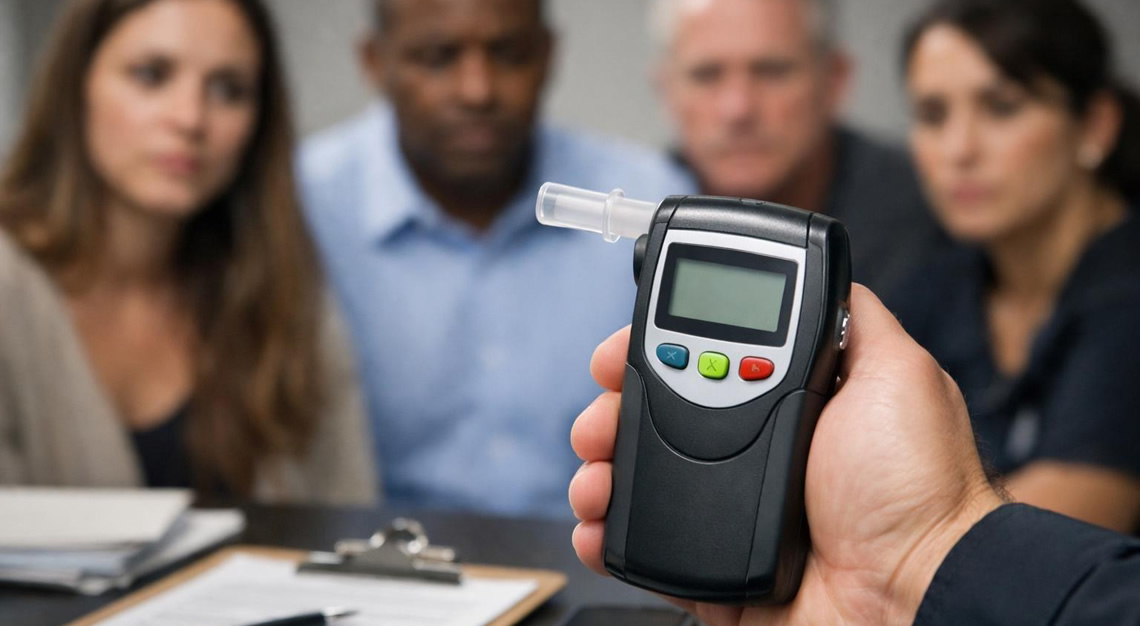
Breathalyzer devices can show positive results even when your actual blood alcohol level is lower than the reading suggests. Understanding what triggers these incorrect readings matters if you face DUI charges.
Common Causes of Incorrect Readings
Several factors can make a breathalyzer show falsely high numbers:
- Equipment that hasn't been calibrated correctly
- Certain health conditions affecting your digestive system
- Prescription or over-the-counter drugs
- Products containing alcohol like mouthwash
- External substances that contaminate the device
- Special diets that change your breath chemistry
- Testing done too soon after drinking
- Recent vomiting before the test
The Mouth Alcohol Problem
Acid buildup in your esophagus creates what experts call mouth alcohol. This happens when you have conditions like GERD, heartburn, or acid reflux. The extra acid causes alcohol vapors to rise from your stomach into your mouth and throat.
When you blow into the device, it reads these vapors as current drinking. Your false positive breath test results appear much higher than your true blood alcohol content. The breathalyzer cannot tell the difference between alcohol you just drank and mouth alcohol from acid reflux.
Diet and Chemical Interference
People following low-carb or keto diets produce more acetone in their breath. Breathalyzers sometimes mistake this acetone for alcohol. This leads to a false positive breathalyzer reading even though you consumed no drinks.
Medications that increase stomach acid also trigger the same mouth alcohol effect. Many common prescriptions for digestive issues can cause these problems during testing.
Testing within 15 minutes of your last drink gives inaccurate results too. The device picks up residual alcohol still in your mouth rather than measuring what's in your bloodstream.
Phoenix Criminal Lawyer Law offers proven criminal defense services for DUI cases throughout the Phoenix area. Our legal team knows Arizona's DUI laws and court procedures inside and out. We work to get you the best possible result for your case.
Your attorney can challenge different parts of your arrest. They might question whether the officer had valid reasons to stop you. They can examine if the tests were done correctly. They can look for mistakes in how evidence was collected.
Our lawyers provide complete legal support from arrest through trial. We handle all court filings and represent you at every hearing. You get personalized attention for your specific situation.
Reach out to the criminal defense team at (602) 600-0447 to discuss your case. You can get legal advice that fits your specific circumstances and learn what steps to take next.


