
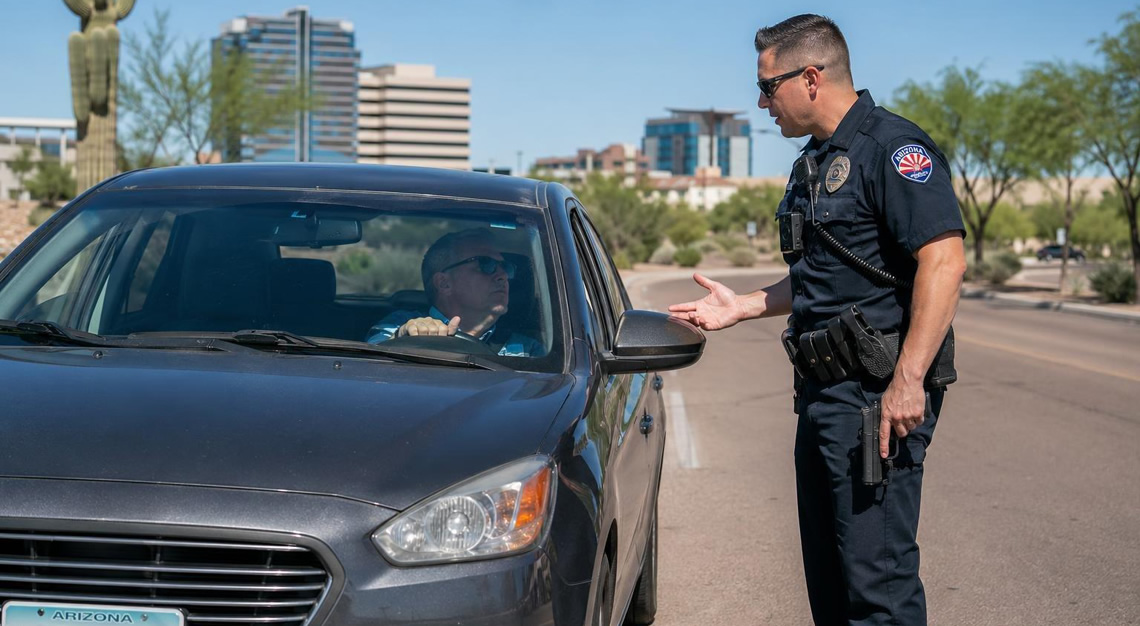
Can Police Take My Gun During a Traffic Stop or Investigation in Arizona? Your Legal Rights Explained
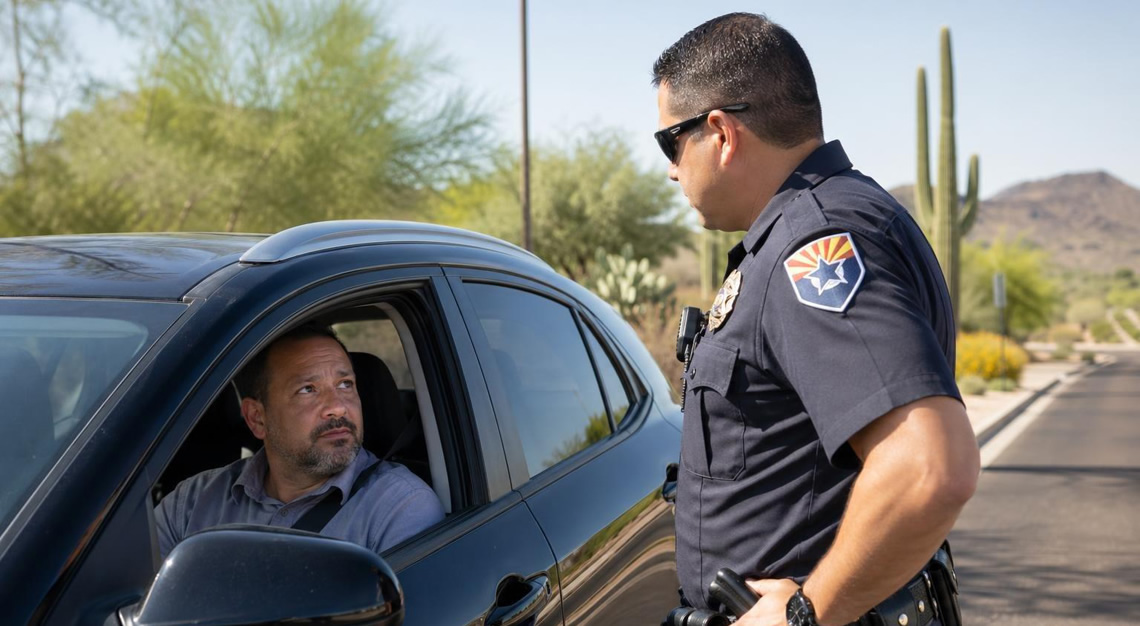
Gun owners in Arizona often have questions about their rights during traffic stops. If you carry a firearm, you need to understand what police officers can and cannot do when they pull you over.
Arizona allows people to carry guns with or without a permit. But that does not mean police officers have no authority to handle your weapon during a stop. The law gives officers specific powers to take temporary control of your firearm while they interact with you. Knowing these rules helps you avoid problems and protect your legal rights if something goes wrong.
Key Takeaways
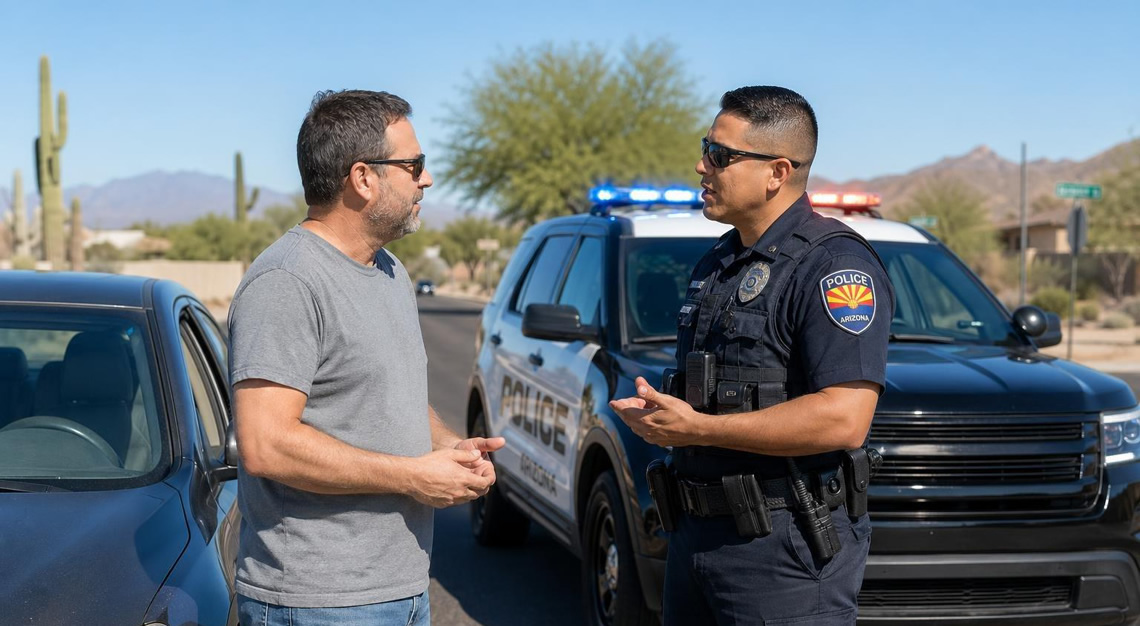
Arizona law allows police officers to temporarily take your gun during a traffic stop when they believe it's needed for their safety. This applies even if you legally own the weapon and have proper permits.
Important points to remember:
- Officers must return your firearm when the stop ends if they find no evidence of a crime
- Police can disarm both drivers and passengers during lawful stops
- Your gun may be held longer if officers are investigating potential crimes or checking for outstanding warrants
Situations where officers may keep your firearm:
- You are a prohibited possessor under state or federal law
- The firearm shows up as stolen in police databases
- Evidence suggests the gun was used in criminal activity
- Active warrants exist for your arrest
The law draws a line between a quick safety measure and a longer investigative hold. A safety check should be brief. An investigative hold means your gun gets booked into evidence while police look into possible legal issues.
If police refuse to return your firearm after a stop, contact a criminal defense attorney to review your situation and protect your rights.
Arizona Law on Firearms and Traffic Stops

Arizona allows adults to carry firearms without a permit in most situations. Adults who are 21 or older can carry a concealed handgun if they are not legally barred from possessing guns. Some people between 18 and 20 can also carry under certain conditions. You can still get a carry permit if you want one for use in other states.
When you get pulled over by police, specific rules control how officers handle firearms. State law gives officers the power to take temporary control of your gun during a traffic stop or other police encounter. This applies whether you get stopped for speeding, a broken taillight, or other traffic violations. It also covers situations like DUI checks or calls about suspicious activity.
Officer Authority Under State Law
Arizona Revised Statute 13-3102 allows police to take your firearm during any lawful stop if they think it is needed for safety. The officer can hold your gun for as long as the traffic stop or investigation lasts. This is a safety measure that protects both the officer and others at the scene.
The law covers these types of police encounters:
- Standard traffic violations
- Equipment problems with your vehicle
- Investigation stops
- Domestic incident responses
- Other lawful police contacts
When Your Firearm Gets Returned
Police must give your gun back when the stop ends if they do not arrest you. However, officers can keep your firearm if legal reasons exist. They may retain possession if the gun is stolen property or evidence of a crime. Officers will also keep the weapon if you are a prohibited possessor under state law. This category includes people legally barred from having guns due to prior convictions or other disqualifying factors.
The charge of misconduct involving weapons under 13-3102 addresses various illegal firearms activities. If officers find evidence during the stop that you violated weapons laws, they may pursue criminal charges and keep the firearm as evidence.
When Police Can Remove Your Firearm During a Traffic Stop in Arizona
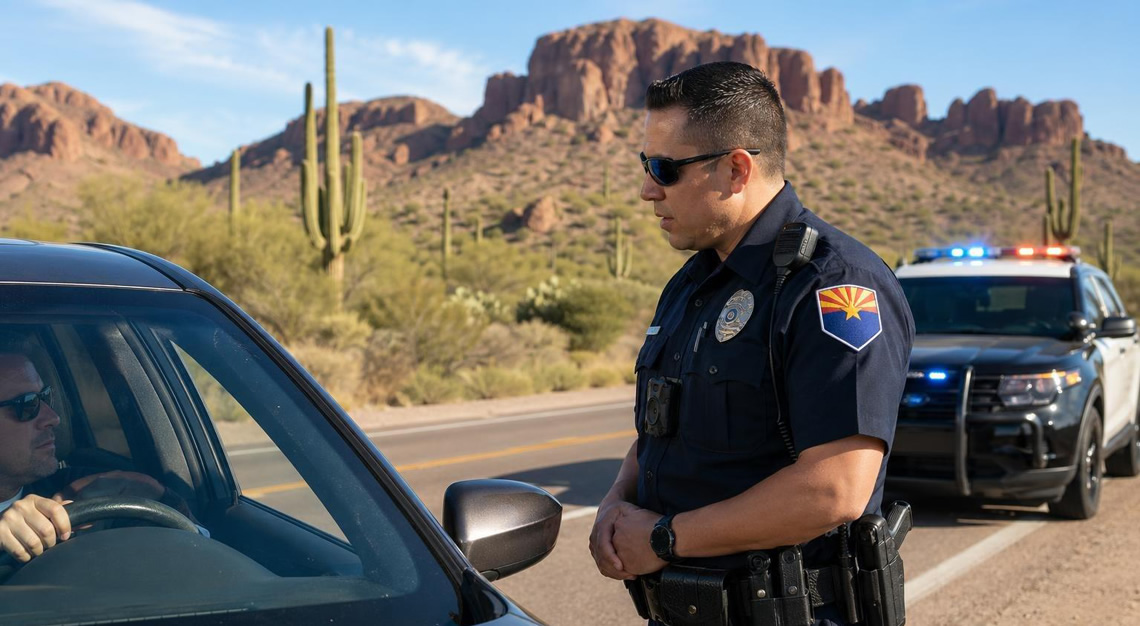
The Traffic Stop Must Be Legal
An officer can only take your gun during a traffic stop if the stop itself is legal. This means the officer needs a valid reason to pull you over in the first place.
Valid reasons include speeding, running a red light, broken taillights, or expired tags. The officer cannot pull you over based on a guess or random suspicion.
If the stop is not legal, you may be able to challenge what happened next. This includes any decision to take your weapon.
Safety Concerns Drive Disarmament Authority
Officers can temporarily take your gun if they believe it is needed to keep everyone safe. Courts have said this is allowed when officers think someone is armed and might pose a risk.
The law gives officers certain powers during traffic stops. They can ask if you have guns in your car. They can tell you to step out of the vehicle. They can also take your gun, unload it, and keep it with them until the stop ends.
This authority comes from Supreme Court cases that focus on protecting officer safety. The key question is whether the officer had a good reason to believe taking the gun was necessary. Officers do not need proof of danger. They just need a reasonable belief based on the situation.
Typical Situations in Arizona
Different scenarios lead to different responses. Here is what often happens:
Concealed carry permit holder tells officer about hidden gun: Officer asks where the gun is and may tell you not to touch it. The officer might take it temporarily.
Open carry with visible holstered pistol: Officer may ask you to exit your vehicle and will likely secure the firearm during the stop.
Rifle case visible in back seat: Officer may ask about it and secure it if there is any safety concern.
Loaded gun sitting on passenger seat: Officer will almost certainly take the weapon right away.
Second gun found during search: Officer will secure this weapon too and may check if you are a prohibited possessor.
Officers can ask basic questions about firearms without extending your stop. The stop must stay focused on its original purpose. Officers cannot keep you longer just to investigate unrelated matters unless they have separate legal justification.
What Does It Mean When Police Put Your Gun on Investigative Hold in Arizona?

The Process
When police place your firearm on investigative hold, they keep it after your initial encounter ends. This is not the same as an officer temporarily taking your gun during a traffic stop for safety reasons.
Your weapon goes through a specific process. Officers log it into their evidence or property system at their department. They store it in a secure room where no one can access it. While your gun is held, police run background checks and trace serial numbers.
Why Police May Hold Your Firearm
|
Reason |
What It Means |
|
Serial number matches stolen firearm database |
The number shows up as possibly stolen when checked through law enforcement systems |
|
You are being investigated for a crime |
Your gun might be evidence in their case |
|
Questions about who owns the firearm |
More than one person claims it or papers are missing |
|
Concerns about your legal status |
Officers think you might have felonies, court orders, or other issues that make gun ownership illegal under Arizona law |
Police cannot legally take your firearm for safekeeping without arresting you unless Arizona law allows it or special circumstances exist.
What Happens During Regular Traffic Stops
You get pulled over and an officer takes your gun for safety. The officer points it in a safe direction and checks the serial number. While you wait, the officer searches the number through a national database. The system shows a report that the gun was stolen in another state.
You might actually be the legal owner. But now your firearm is on hold while police verify the report.
These holds can last days or even months. The timeline depends on how complicated the investigation becomes. You may need to file legal motions or send written requests to the police department to get your gun back. Working with an Arizona criminal defense lawyer helps in these situations.
During the hold period, you do not have access to your firearm. Police keep it locked away while they complete their investigation.
When Police Hold Your Gun: Safety Hold or Evidence Collection?
Officer Safety Hold
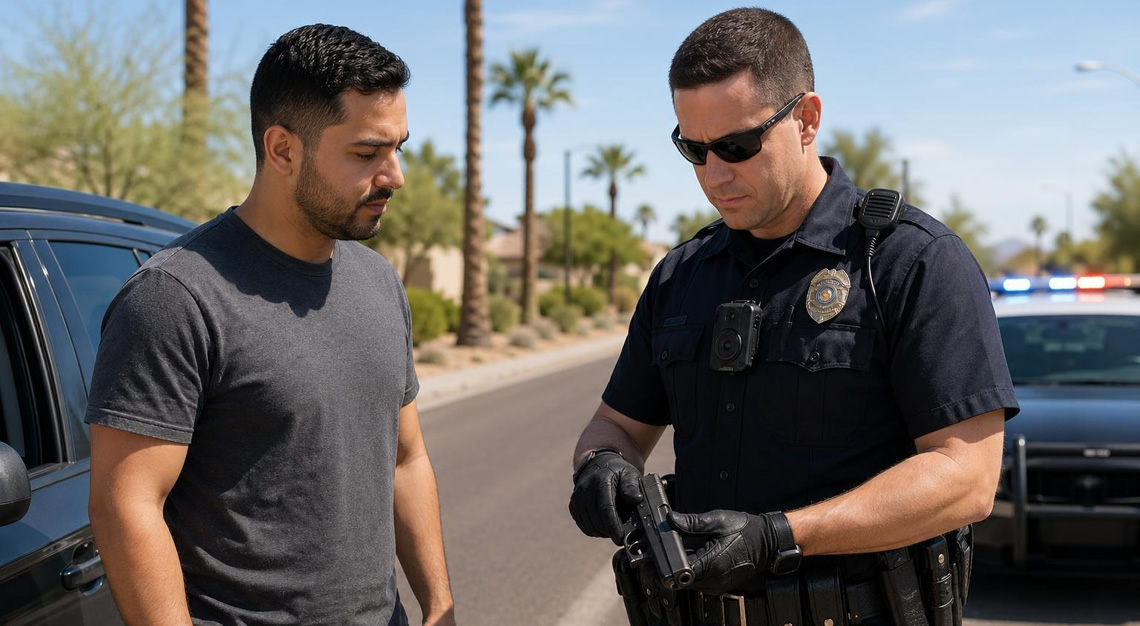
Police may temporarily take your firearm during a traffic stop or investigation without this action counting as a full seizure. The law allows officers to hold your gun for safety reasons while they complete their work.
This type of hold has specific limits. Officers can only keep the firearm while the stop is active. When the encounter ends, they must return your gun to you. In most cases, they will unload it before giving it back.
Key characteristics of a safety hold:
- Limited to the duration of the stop
- No criminal activity discovered
- Weapon returned when encounter concludes
- Does not require probable cause
The gun stays with the officer temporarily. You get it back once the officer finishes writing a ticket or completing their investigation.
Official Evidence Collection
A formal seizure works differently than a temporary hold. Officers treat your firearm as evidence or contraband instead of just a safety concern.
When police seize your gun as evidence, they follow specific procedures. They tag the weapon and book it into a property room. This typically happens when they plan to file charges against you.
Common situations leading to seizure:
- Weapons-related charges under state law
- DUI stops where a firearm is present
- Domestic violence incidents
- Suspected illegal possession
Once seized as evidence, getting your gun back becomes much harder. The weapon may stay in police custody throughout the legal process.
Your Fourth Amendment Rights
The Constitution protects you from unreasonable searches and seizures. Officers need probable cause to convert a safety hold into an evidence seizure.
Simply owning a gun legally is not enough reason for police to keep it. Officers must have specific facts suggesting criminal activity. If they lack probable cause, keeping your weapon may violate your rights.
Courts have ruled that officers cannot extend stops beyond their original purpose. Holding your firearm for extended periods without justification may be illegal.
Are You Required to Disclose Your Firearm to Police in Arizona?
What the Law Says
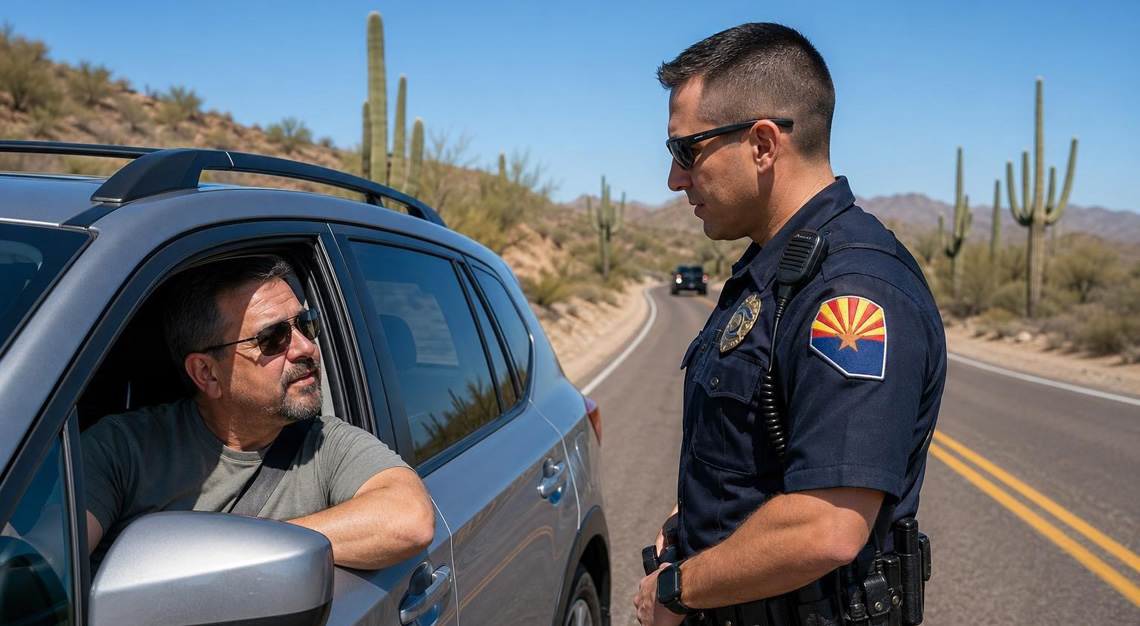
Arizona law does not require you to volunteer information about carrying a firearm when stopped by police. You are not under a legal obligation to tell an officer you are armed unless directly asked.
If an officer asks whether you have a weapon, you must respond honestly. Providing false information or hiding the fact that you are carrying can make the situation worse. Being dishonest during a police stop may also hurt your credibility if criminal charges develop later.
What You Should Do
Many concealed carry training programs in Arizona suggest telling officers about your firearm early in the encounter. This approach often helps keep the interaction calm and professional.
A clear statement works well:
"Officer, I'm legally carrying a handgun. What would you like me to do?"
Follow these steps during the stop:
- Keep both hands on the steering wheel where the officer can see them
- Do not reach for the glove box, center console, or anywhere near your weapon
- Wait for the officer to give you specific instructions before moving
- Tell the officer what you plan to do before you do it
Each traffic stop is unique. Staying calm, showing respect, and following lawful orders typically leads to better outcomes when you are armed.
Getting Your Firearm Back After a Traffic Stop in Arizona
Given Back at the Scene
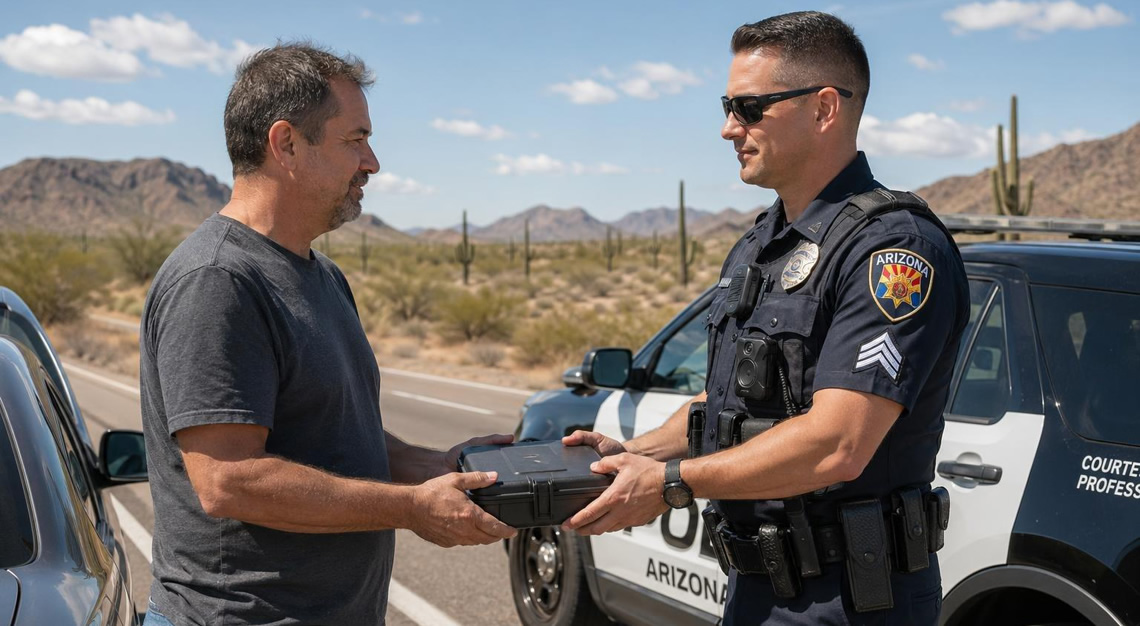
When police take your gun during a routine traffic stop for basic violations like speeding or improper lane use, they will likely hand it back before you drive away. Officers remove the ammunition first and return the unloaded weapon once they finish writing the ticket or warning. This happens when there are no criminal concerns beyond the traffic violation itself.
Data shows that about 65% of guns taken during Arizona traffic stops get returned the same day. This typically occurs when the stop remains simple and no red flags appear during the officer's check of your records.
Picking It Up From the Station
Your firearm goes into a police or sheriff's storage facility if officers place it on hold for investigation or take it as evidence. Getting it back requires you to visit the property room and complete their release process.
You will need to bring certain items:
- Valid photo identification
- Proof you own the gun (purchase receipt or other paperwork)
- Evidence you can legally possess firearms
The agency checks that you face no pending criminal charges and confirms you are not banned from owning guns under state or federal restrictions.
Reasons Police May Keep Your Gun
|
Factor |
Why They Can Keep It |
|
Criminal charges involving the weapon |
Needed as court evidence |
|
Court-issued protection orders |
You cannot legally have guns |
|
Status as a prohibited person |
Federal or state law bans your possession |
|
Stolen firearm |
Belongs to another owner |
An attorney can assist if an Arizona police department refuses to release your firearm. Legal help becomes useful when navigating property release procedures or challenging a department's decision to keep your gun.
Steps to Take If Police Seize Your Firearm During a Traffic Stop or Investigation in Arizona
While Being Stopped
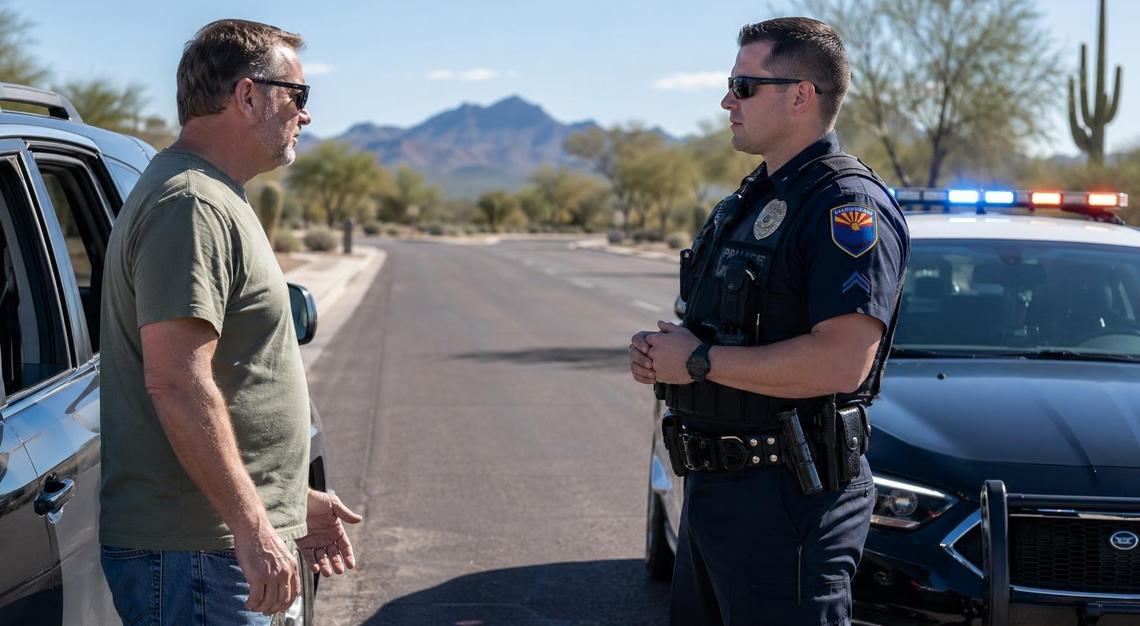
Stay calm if an officer removes your gun. Do not argue or try to stop the officer from taking it. Keep your hands where they can be seen at all times. Follow any lawful orders about hand placement.
Do not resist the officer's actions. Fighting back can result in criminal charges under Arizona law, even if the seizure turns out to be unlawful. You can politely ask why your firearm is being removed. You can also ask if you will get paperwork about the seizure.
If the officer asks to search your vehicle, you have the right to say "I do not consent to a search." However, officers may still search if they have probable cause or other legal grounds.
Following the Encounter
Write down important details as soon as you can. This information will be useful later if you need to challenge the seizure or get your gun back.
Key details to record:
- Date and exact time
- Location details (street names, mile markers, highway exits)
- Which law enforcement agency stopped you
- Officer's name or badge number
- Any case numbers or property receipt numbers given to you
Request Information
Call the agency that took your firearm. Ask specific questions about why they are holding it:
- Is it temporary for safety reasons?
- Did they log it as evidence in a case?
- Is there an investigation that requires holding it?
- What steps do you need to follow to get it returned?
Get Legal Help
Contact a criminal defense attorney if your gun is not returned promptly or if you believe your rights were violated. A lawyer can review what happened and determine if the seizure was legal. They can also help you file paperwork to get your firearm back or challenge the seizure in court.
Frequently Asked Questions
Do officers have authority to take a passenger's firearm during a traffic stop in Arizona?
Yes. Officers can temporarily take a firearm from a passenger during a traffic stop in Arizona. If the officer has a reasonable belief that the passenger's gun poses a safety risk, the law permits temporary disarmament. The same rules that apply to drivers also apply to passengers.
When the traffic stop ends and no criminal activity is found, the firearm should be returned to the passenger. You should keep your hands visible at all times. Answer questions about firearms honestly. Follow all lawful commands the officer gives you.
Are officers allowed to check the serial number on your firearm during a stop?
When an officer lawfully has your firearm during a stop, they can check the serial number. They typically run it through databases like NCIC to see if the gun has been reported stolen. Courts usually consider this a normal part of officer safety and investigation duties.
The check should not make the stop unreasonably longer. Officers can face legal questions if they take apart your gun or remove grips to find hidden serial numbers. Any inspection that is too invasive or causes significant delays might be challenged by a lawyer.
How does firearm seizure work for out-of-state visitors in Arizona?
Visitors from other states must follow Arizona law during traffic stops. Officers use the same standards for temporary disarmament or seizure regardless of where you live. Arizona police can take your gun on the same legal grounds they would use for Arizona residents.
Getting your firearm back from an Arizona agency while you live in another state can be difficult. You may need to show proof of lawful ownership. You must also comply with laws in both Arizona and your home state. Working with an Arizona criminal defense lawyer becomes especially important in these cases.
Is it legal to record your traffic stop when you have a gun in your vehicle?
You can generally record police officers in public spaces in Arizona. You must not interfere with the officer's work or ignore lawful orders. Recording calmly from a safe spot or fixed position is usually allowed.
Reaching for your phone suddenly can be dangerous when an officer knows you have a gun in the car. Always tell the officer what you plan to do before moving your hands. Clear communication prevents misunderstandings during the stop.
What steps should you take if you don't receive documentation for your seized firearm?
When a firearm is held beyond the traffic stop, agencies normally create an incident or property number. You can request information later using that number or your personal details.
Contact a criminal defense attorney right away if you receive no documentation and cannot get clear answers from the agency. Your lawyer can help track your firearm and protect your legal rights.
When to Reach Out to the Phoenix Criminal Lawyer Criminal Defense Team

You should contact a lawyer when dealing with firearm seizures that go beyond basic safety measures during a traffic stop. The laws around gun possession and police searches can be hard to understand on your own.
Arizona criminal defense attorneys at Phoenix Criminal Lawyer know the local legal system well. They work with courts and law enforcement in Maricopa County regularly. This experience helps when you need to get your property back or fight against unlawful seizures.
Consider calling if you:
- Face questions about a traffic stop involving your firearm
- Need help recovering a seized weapon
- Want to understand your rights during an investigative hold
You can schedule a private consultation by calling (602) 600-0447 . An Arizona criminal defense attorney can give you specific advice for your situation. Personal legal guidance protects your rights better than general information you find online.
Call (602) 600-0447 to schedule a consultation. Professional legal representation makes a significant difference when your future is at stake.


