

What is “Misconduct Involving Weapons” in Arizona? - What You Need to Know
Arizona is a great state for gun enthusiasts. Hunting, target shooting, and gun clubs are popular. Despite its pro second amendment laws and culture, Arizona has many restrictions on the possession and use of a firearm and other dangerous weapons. Misconduct with a weapon can land you in prison.
What constitutes weapons misconduct in Arizona?
The right to keep and bear arms is fiercely defended by Arizona law, but there are specific types of weapons that are illegal for anyone to possess. Those with the proper licensing can own handguns, rifles, shotguns, and even semiautomatic rifles. However, people with certain types of criminal history are prohibited from owning firearms, and firearms can be seized from people suffering certain types of mental illness.
Arizona weapons misconduct laws also cover explosives, including dynamite, black powder, nitroglycerine, and plastic explosives.
Arizona law considers certain types of weapons too dangerous and prohibits them altogether. These include the following: nunchucks, grenades, bombs, rockets, poison gas, short-barrel shotguns, as well as other dangerous weapons.
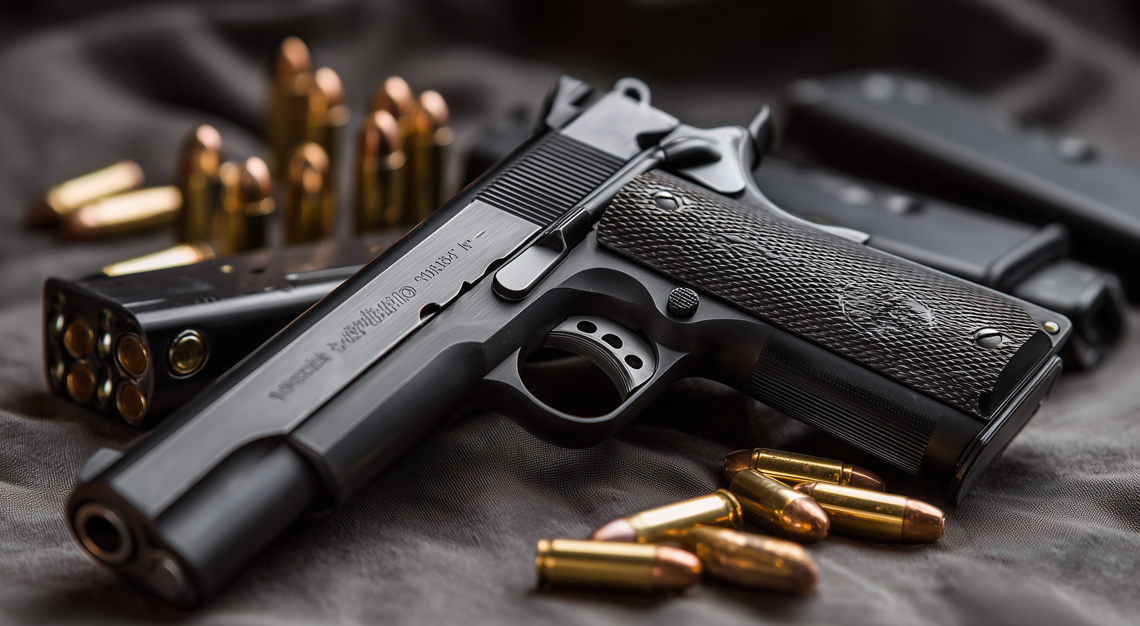
Classes of firearm misconduct crimes
Arizona law defines a firearm as anything designed to shoot a projectile, so homemade weapons can fall under firearm misconduct laws.
Charges range from the most serious misdemeanor to mid-level felonies. Jail time is possible with any firearm misconduct charge, so it is important for those facing weapons misconduct charges to retain effective counsel.
Class one misdemeanor misconduct involving weapons
Class one misdemeanors carry a maximum sentence of 6 months in jail, though the judge has the option of ordering probation. Examples of Class 1 misdemeanor weapons misconduct charges include the following:
- Carrying a concealed weapon without a permit
- Carrying a deadly weapon into the polling place of an election
- Carrying a gun onto the grounds of a school
- Possessing a firearm in any public place where it is prohibited
Class six felony misconduct Involving weapons
A class six felony carries up to one year in prison. Weapons misconduct at this level includes defacing or altering a firearm, possessing a deadly weapon that has been defaced, and transferring or selling a deadly weapon to an individual prohibited from firearm ownership.
Class four felony misconduct involving weapons
Class four felonies carry up to two and one-half years in prison. These felonies include possession of a firearm by a convicted felon, possessing, manufacturing, or selling an illegal weapon, entering a nuclear facility with a firearm, and committing a felony while in possession of a deadly weapon.
Class 3 felony misconduct involving weapons
Class three felonies can land you in prison for up to three and one-half years. Violations at this level include selling, giving, or otherwise providing a firearm to another person when you know that they intend to use it to commit a felony; engaging in an act of terrorism with the use of a weapon, and discharging a firearm in an area that is occupied as a part of any kind of gang activity.
When a weapons misconduct charge is filed in addition to other felonies
Felony gun misconduct charges can go on top of other charges. For example, a person who burglarizes a building while carrying a deadly weapon faces both a charge of burglary and a class four charge of possessing a firearm while committing a felony.
Prohibited possessor designations
Under Arizona law, certain people are prohibited from owning any type of firearm. To be deemed a prohibited possessor, you must fall into one of six categories:
Court order
Arizona courts can prohibit individuals from possessing firearms. For such an order to be issued, the court must rule that the prohibited possessor poses a danger to himself or others if able to obtain a firearm.
Felony conviction
In Arizona, convicted felons lose the right to possess firearms. This prohibition includes any type of firearm. Convicted felons who wish to possess gun for legal purposes must first petition the court to restore their right to bear arms. Possession of a gun by a felon without a court order allowing it is a felony.
Probation / Parole / Community Supervision / Work Furlough
Anyone convicted of a misdemeanor who is currently on supervised release may not possess firearms until the sentence is completed.
Immigrants/aliens
Arizona’s second amendment protections usually do not cover non-U.S. citizens who are in the country. Some exceptions apply.
Rule 11
Any individual found incompetent under Rule 11 is prohibited from possessing a firearm.
Guilty except insane
In Arizona, a person can be found guilty of a crime but insane. Such a ruling makes the individual ineligible to legally own a firearm.
The most common firearms violation is individuals with a felony conviction found to be in possession of a gun.
Weapons misconduct defenses
The prosecution must prove its weapons misconduct case with sufficient evidence that connects the defendant to the prohibited weapon. If the state provides weak evidence of this connection, courts will often dismiss the case, or the defendant will win acquittal at trial.
In other cases, the state has enough evidence to connect the weapon and the violator, but the case is thrown out because the defense presents an affirmative defense. For example, the police may find a firearm in the residence of a prohibited possessor. However, there is no crime if the defendant has no knowledge of the weapon. For example, it might belong to a roommate, and the prohibited possessor knew nothing about it.
If the defendant knew the roommate had a firearm but the defendant exercised no control over the weapon, then the defendant is considered to not be in possession of a firearm under Arizona law.
If you are suspected of weapons misconduct, it is important to hire a lawyer as soon as possible and have one present during any questioning. Law enforcement will ask specific questions designed to build the prosecution’s case and narrow your options in constructing a defense. An attorney will ensure you admit nothing that will harm your interests in court.
Weapons misconduct charges can result in a felony conviction land you in prison. Those charged with weapons misconduct need a criminal trial lawyer who can see the case all the way through. Many weapons misconduct cases are built on shaky ground. A skilled attorney will use the weaknesses of the prosecution’s case to effect a plea bargain to a lesser charge or obtain a dismissal or acquittal.
Numerous defenses exist for weapon misconduct depending on your case's facts. You just need to hire the right criminal defense attorney to defend you.
If you're facing charges relating to weapons, you might want to understand Arizona's law and secure the right legal counsel to ensure a fair trial.
Call the Phoenix Criminal Lawyer criminal law team at a (602) 600-0447 to get expert-level legal help with your case.


