

What Should I Do If I Was Arrested or Charged After Using a Gun in Arizona?
Self-Defense Shooting: Essential Legal Guidelines Every Gun Owner Must Know
Using a gun to protect yourself can feel like your only option when facing serious danger. In Arizona, you have the right to defend yourself and your loved ones, but what happens after a self-defense shooting can be overwhelming and frightening. Even if you believe your actions were justified, you may still face arrest, questioning, and potential criminal charges.
The moments and days following a defensive shooting will shape your future. Police will investigate. Prosecutors will review your case. Your words and actions during this time matter more than you might realize. Understanding your rights, knowing what to expect, and getting legal help quickly can protect you from serious consequences, including charges for assault or homicide.
Steps to Take Right After a Self-Defense Shooting in Arizona
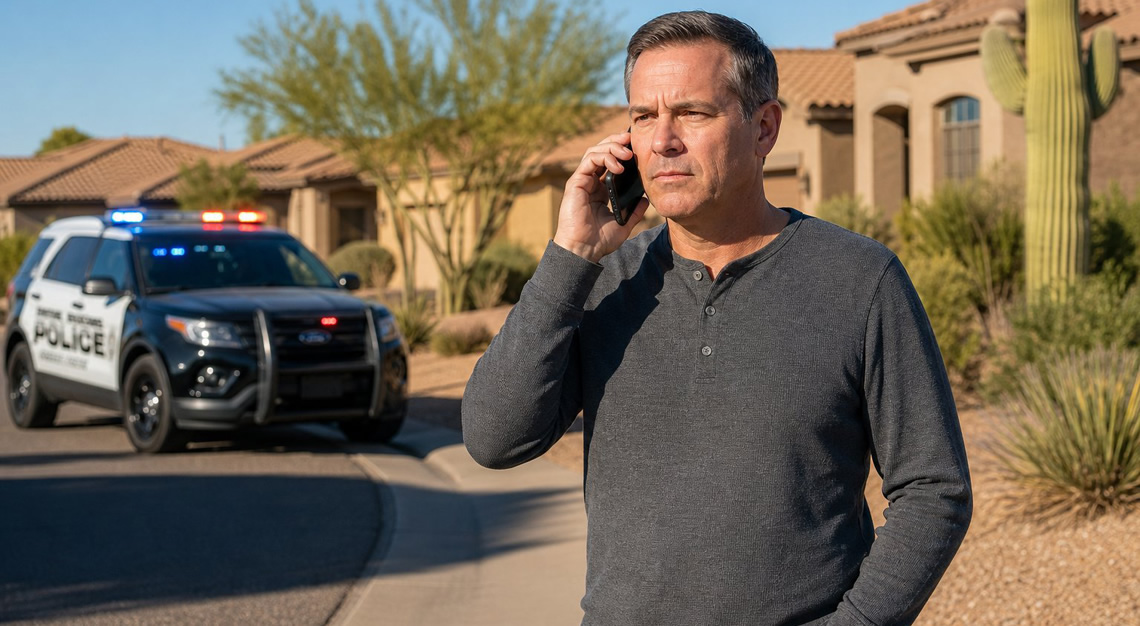
Your decisions in the moments following a defensive shooting will impact your safety and legal protection. Stress and adrenaline make clear thinking difficult, which is why you need to know these steps before an incident occurs.
Make Sure the Area is Safe
Check that the threat has stopped. If other attackers pose a danger to you, move to a safer spot if you can.
You should not move toward the person you shot unless your safety requires it.
Store Your Gun Properly
Police officers need to see that you are not a threat when they arrive. This means managing your firearm correctly.
Follow these steps:
- Put your gun back in its holster if it is safe to do so
- Set the gun down on a surface near you if you cannot holster it
- Keep the gun out of your hands when officers show up
- Do not hide the weapon or throw it away
Officers will treat anyone holding a gun as a potential threat. Your safety depends on showing them you are not the aggressor.
Contact Emergency Services Right Away
Your 911 call after shooting creates an official record. Keep your words simple and direct.
When you call, you should:
- Say you were attacked and had to protect yourself
- Tell them exactly where you are
- Ask for police and medical help
- Share basic facts like the number of injured people
- Avoid giving a full story of the events
- End the call once you provide the key details
Everything you say during this call gets recorded. Prosecutors will review the recording and look for any statements they can use against you.
Keep the Scene Intact
Take photos of any injuries you received if you can do this safely. Physical evidence of harm supports your self-defense claim.
Do not touch these items:
|
Item |
Reason |
|---|---|
|
The body |
Moving it changes the scene |
|
Any weapons |
Police need to document their original position |
|
Shell casings |
These are critical evidence |
|
Other objects |
Leave everything as it was |
Changing the scene can make investigators suspicious of your account.
Stay Quiet Around Other People
Do not tell bystanders, witnesses, or anyone else what happened. Only speak with your attorney about the incident.
Keep off social media completely. Body cameras, security videos, and witness statements will all become part of the investigation. Any comments you make to others can be repeated in court and used against you.
Remember that even friendly conversations with neighbors or family members can turn into testimony later.
Dealing With Police at the Scene and After Arrest

First Contact With Responding Officers
Police treat every scene as potentially dangerous until they determine what occurred. You need to show you are not a threat.
Keep your hands where officers can see them at all times. Do not put them in your pockets or behind your back. Follow every command they give you right away. Do not touch your weapon or make any fast movements.
Tell officers you are the person who made the emergency call. This helps them understand your role in the situation.
Initial Information You Should Provide
You can share basic facts without giving up your legal protections:
- Your full name
- That you called for help
- That someone attacked you and you defended yourself
- Location of evidence like weapons, cameras, or other items at the scene
- Whether you or anyone else needs medical care
After you state these basic facts, you must protect yourself legally. Say these exact words: "I want to speak to an attorney before answering any more questions." Do not say anything else about what happened.
Being Held by Police
Law enforcement will likely detain you even if your actions were lawful. This does not mean you did anything wrong.
You may be:
- Handcuffed and searched
- Taken to a police station
- Placed in a cell or interview room
- Booked into county jail
Police record almost everything you say while in custody. This includes phone calls to family members and words spoken to other people in cells. Only conversations with your lawyer remain private.
Legal Protections During Police Questions
Detectives know how to get people to talk. Training methods help them obtain statements even from people who believe they acted correctly.
Your Miranda rights include:
|
Right |
What It Means |
|---|---|
|
Right to remain silent |
You do not have to answer questions |
|
Right to an attorney |
You can have a lawyer present during questioning |
|
Appointed attorney |
The court will provide a lawyer if you cannot pay for one |
These protections apply to everyone regardless of guilt or innocence.
How to use these rights:
State clearly: "I am invoking my right to remain silent and my right to an attorney." If officers keep asking questions, repeat your statement. Do not let them start a casual conversation about the incident.
Why you should wait to give details:
Stress affects memory. Your brain may not process or remember events correctly right after a traumatic situation. Research shows people recall details incorrectly about 40% of the time immediately after a shooting.
If you give a full statement too soon and later remember things differently, prosecutors can use those differences to question whether you are telling the truth. Your lawyer may recommend waiting one to two days before making any detailed statement.
The law says asking for a lawyer cannot be held against you in court.
What Happens If You Face Arrest or Criminal Charges Following a Self-Defense Shooting?
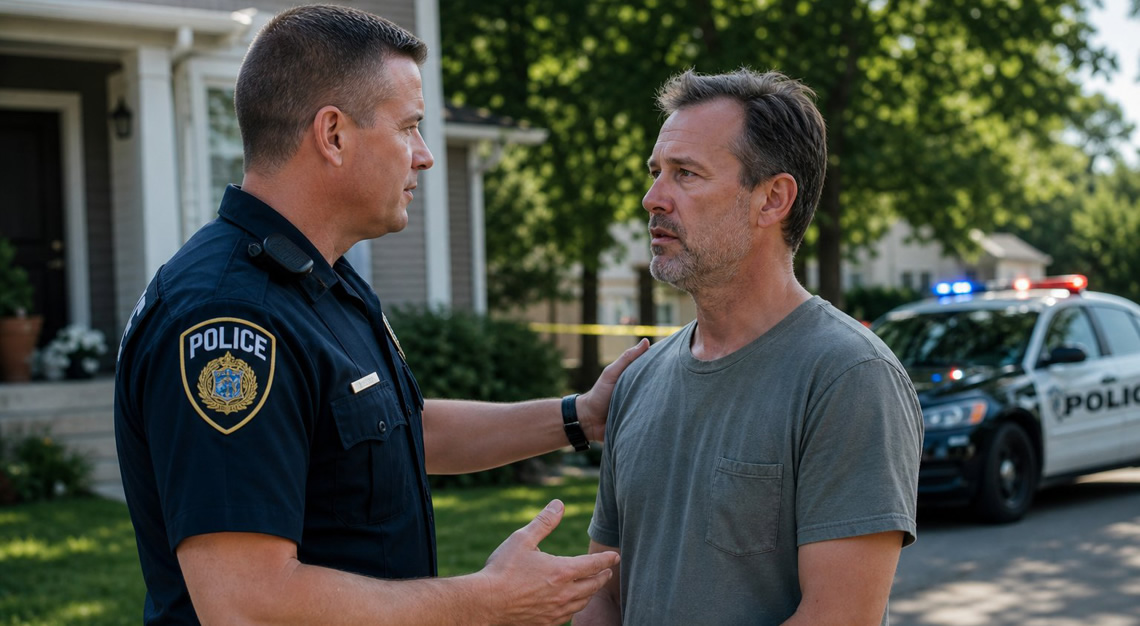
Criminal Charges You Could Face
When prosecutors review the facts of your case, they may file serious felony charges if they believe your use of force was not justified. The specific charge depends on their interpretation of the evidence and circumstances.
You could be charged with any of the following offenses:
|
Charge |
Arizona Statute |
Potential Prison Sentence |
|---|---|---|
|
Second-degree murder |
A.R.S. § 13-1104 |
10-25 years |
|
Manslaughter (including voluntary manslaughter in heat of passion situations) |
A.R.S. § 13-1103 |
7-21 years |
|
Negligent homicide |
A.R.S. § 13-1102 |
1-3.75 years |
|
Aggravated assault with a deadly weapon |
A.R.S. § 13-1204 |
5-15 years |
|
Weapons misconduct |
A.R.S. § 13-3102 |
Varies by facts |
Prosecutors might also pursue attempted murder charges if the person you shot survived and they believe your actions went beyond reasonable self-protection.
Second-degree murder charges typically arise when the state argues you acted with knowledge that your conduct would cause death but without premeditation. Voluntary manslaughter charges may apply in cases involving imperfect self-defense claims, where you genuinely believed you were in danger but that belief was not objectively reasonable.
The Jail Intake and Processing Procedures
When officers take you into custody, you go through standard processing at the county detention facility. This includes several steps that apply to all arrestees regardless of the charges.
The booking process involves:
- Fingerprinting and booking photographs
- Recording and storing your personal belongings
- Basic medical evaluation
- Placement in a holding cell
This process typically takes several hours. You will remain in custody until your first court appearance unless you arrange release through a bondsman.
Your First Court Hearing and Release Options
Arizona law requires that you appear before a judicial officer within 24 hours of your arrest. This hearing addresses immediate legal questions about your detention.
During this initial appearance, the judge will:
- Examine whether probable cause exists for your arrest
- Determine appropriate release conditions
- Set bail or bond amounts if applicable
- Impose any necessary restrictions on your conduct
The court may order conditions such as surrendering firearms, staying within certain geographic boundaries, or avoiding contact with specific individuals connected to the case. Release on your own recognizance is possible in some situations, but many cases involving serious charges require posting a bond.
Your case continues even if you are released. You must attend every scheduled court date in Superior Court or face additional charges for failure to appear.
How Arizona Courts Evaluate a Self-Defense Claim
Arizona law treats self-defense differently than many other states. You benefit from a legal framework that places the burden on prosecutors once you raise justification as a defense.
The Legal Standard
Self-defense functions as an affirmative defense in Arizona. You must present some evidence showing you acted to protect yourself. Once you do this, the prosecution must prove beyond a reasonable doubt that your actions were not justified.
This standard works in your favor compared to jurisdictions where defendants must prove their self-defense claim was valid.
Evidence the Court Examines
Courts review multiple sources of information when evaluating your self-defense claim:
- Audio recordings from your 911 call
- Video footage from security cameras or doorbell systems
- Police body camera recordings
- Ballistics analysis and gunshot residue testing
- Medical documentation of injuries you sustained
- Statements from people who witnessed the incident
- Toxicology results from all parties involved
Medical records showing your injuries can strengthen your claim that you faced a genuine threat. Toxicology evidence matters because intoxicated individuals often behave unpredictably or aggressively.
How Prosecutors Attack Self-Defense Arguments
The state will look for weaknesses in your justification claim. Common prosecution strategies include:
- Arguing the level of force you used exceeded what the situation required
- Claiming the danger you faced was not immediate
- Presenting evidence that you started the confrontation
- Showing that you chased someone who was trying to leave
Arizona courts have ruled that following an attacker who is retreating undermines self-defense claims. Your actions must align with protecting yourself rather than punishing or pursuing the other person.
Pretrial Dismissal Through Immunity Hearings
Arizona law allows you to request dismissal before trial through immunity hearings. You must show that evidence supports your reasonable belief that you faced unlawful force.
These hearings succeed in approximately 70% of cases where defendants present strong evidence of justified action. A successful motion ends the criminal case without going to trial.
Trial and Jury Decisions
If your case proceeds to trial, jurors receive specific instructions about justification defenses. They must decide whether you reasonably believed you needed to act to protect yourself from an unlawful attack. Complete acquittal is possible when the jury accepts your self-defense claim.
Civil Lawsuits After Criminal Cases
Criminal acquittal does not prevent civil legal action. The family of the person you shot may file wrongful death or injury lawsuits against you. These cases use different legal standards and can result in financial judgments even after you win your criminal case.
Legal expenses accumulate across both criminal defense and civil proceedings. You should plan for this possibility from the beginning of your case.
Affirmative Defense Strategy in Arizona Self-Defense Cases
When you face charges after using force to protect yourself, raising self-defense as an affirmative defense becomes your strongest legal approach. You will need to present evidence that demonstrates your actions were justified under Arizona's self-defense law.
Your defense strategy starts by introducing evidence that shows you reasonably believed force was immediately necessary. This can include your testimony about the threat, physical evidence from the scene, or statements from witnesses who saw what happened. If you used deadly force, you must show that you believed it was necessary to prevent death or serious bodily injury.
Key evidence types include:
- Your account of the threat you faced
- Physical injuries or weapon evidence
- Witness statements supporting your version
- Documentation of the attacker's actions
Arizona does not impose a duty to retreat before you defend yourself. Once you present evidence supporting your self-defense claim, the prosecution must prove beyond a reasonable doubt that your actions were not justified. This burden shift gives you a significant advantage because the State must disprove your self-defense claim rather than you having to prove it completely.
Why You Need to Contact an Arizona Criminal Defense Attorney Right Away

If you have used a gun to defend yourself in Arizona, you are now in a serious legal situation. The choices you make in the hours and days after the event can change the outcome of your case.
A criminal defense attorney protects your rights during police questioning. They tell you what you should say and what you must avoid saying. Many people make mistakes during these interviews that hurt their case later.
Your attorney also works to save important evidence before it is lost or destroyed. This includes video recordings, witness statements, and physical items from the scene. Once this evidence is gone, it cannot be recovered.
Your attorney handles critical tasks such as:
- Speaking directly with detectives and prosecutors for you
- Filing legal motions to dismiss charges under self-defense laws
- Building a strong defense plan if your case goes to trial
- Advising you on what to do with your firearms during the case
- Guiding you on whether to talk to insurance companies
- Helping you respond to media requests if your case becomes public
Getting a criminal defense attorney early can sometimes stop charges from being filed at all. In other cases, it can lead to lesser charges. Prosecutors look at the evidence and arguments presented early when they decide whether to file charges.
Do not handle this situation alone. Contact an experienced attorney as soon as possible.
Common Questions About Self-Defense Shootings in Arizona

Can police arrest me even if my shooting was clearly self-defense?
Police can arrest you even when the shooting appears to be justified. Officers often make arrests so investigators can gather all the facts and the County Attorney can review the case. Several factors affect this decision at the scene. Officers may have incomplete information. Witnesses might give conflicting statements. The injuries involved could be severe.
An arrest does not guarantee you will face conviction. Statistics from Maricopa County reveal that less than 5% of shootings deemed justifiable homicides lead to criminal charges. Many strong self-defense cases end in dismissal or acquittal when you have skilled legal representation.
Will a self-defense shooting automatically take away my gun rights in Arizona?
Police will take your firearm as evidence in nearly every case. You might not get it back for several months while the investigation continues. A felony conviction for weapons charges or violent crimes can permanently stop you from owning guns under Arizona and federal law.
Your gun rights are not automatically gone if the shooting is found to be justified and you receive no disqualifying conviction. Getting your property returned often requires legal help, but it is possible in many situations.
Should I contact the victim's family or witnesses after a shooting incident?
You should never reach out to the victim, their relatives, or important witnesses on your own. These conversations can be twisted and used against you in court. Prosecutors may claim you tried to intimidate people or that you feel guilty.
Your defense lawyer should handle all witness communication. Licensed investigators working with your legal team can also coordinate this contact. Arizona courts often impose release conditions that specifically ban you from contacting certain people tied to your case.
How should I handle media attention or social media discussion about my case?
Do not post anything about the incident on social media platforms. Never reply to online comments or news articles about your case. Prosecutors and investigators check public posts regularly. Even harmless comments can be misunderstood or twisted when presented in court.
Your attorney should manage any public statements. They can decide whether to make no comment or provide a carefully written response that protects your legal interests.
When should I reach out to Phoenix Criminal Lawyer following a self-defense shooting?
Contact legal counsel as soon as you safely can. The best time is right after your first interaction with police or when you can make a private phone call. Quick action lets your defense team protect you during police questioning. They can preserve important evidence and start preparing your defense before prosecutors file charges.
The first day or two after a shooting are usually the most critical. This timeframe often shapes how prosecutors evaluate your case.
How Phoenix Criminal Lawyer Can Help If You Used a Gun in Self-Defense in Arizona
The criminal defense team at Phoenix Criminal Lawyer represents people across Arizona who face legal trouble after shooting someone in self-defense. You might be dealing with an active investigation, a possible arrest, or formal criminal charges. The team works to protect your legal rights and pursue the strongest possible result in your case.
Phoenix Criminal Lawyer helps clients who are:
- Under investigation for a shooting
- Facing arrest after defending themselves
- Already charged with serious felonies
Your choices right now will affect your entire case and your life going forward. Call (602) 600-0447 to set up a free consultation with the criminal defense team. They handle cases at every stage, from the first police contact through criminal charges. Getting legal help early gives you the best chance to build a strong defense.


