
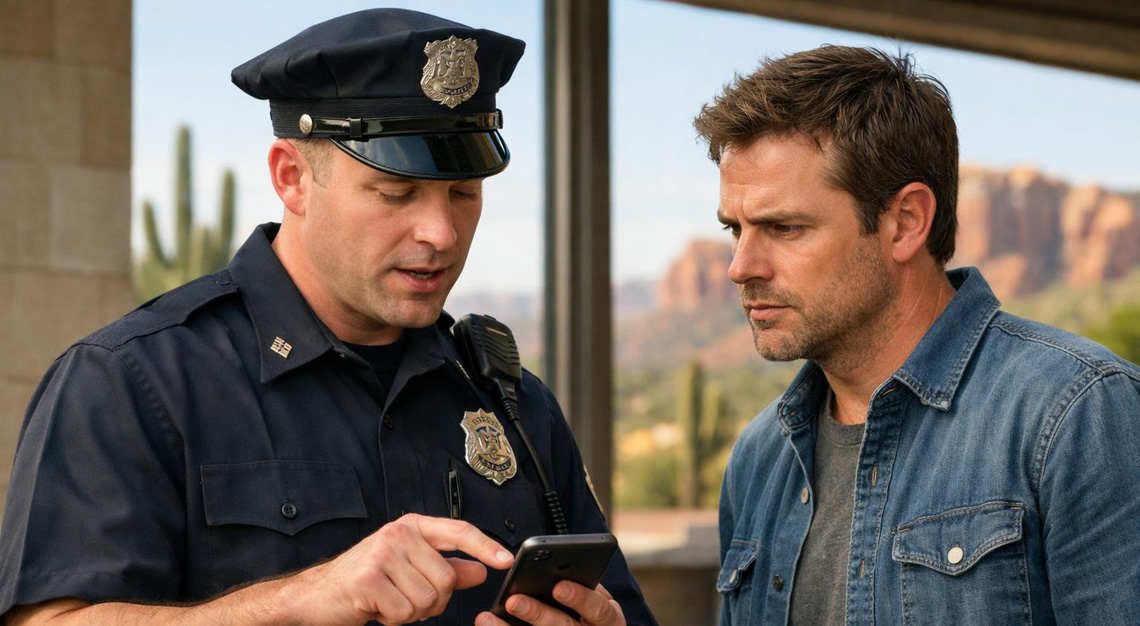
Can The Police Tap Your Phone in Arizona? Legal Rights and Wiretapping Laws Explained
Your Rights During Criminal Investigations
Police can monitor your phone and read your text messages without telling you first. When you become part of a criminal investigation, law enforcement does not need to inform you that they are looking into your activities.
The Fourth Amendment protects you from unreasonable searches and seizures. This means police must follow specific rules before they can tap your phone or access your private messages.
You maintain a right to privacy even during investigations. However, this expectation of privacy has limits under certain conditions.

What Police Can Do Legally:
- Watch your actions in public spaces
- Observe activities visible from outside your home or business
- Access private communications with proper authorization
Privacy law allows officers to view your emails and phone calls in specific situations. Understanding these rules helps you know when law enforcement can legally monitor your communications and when they cannot.
Your digital communications receive protection, but authorities can access them when they follow the correct legal process.
Getting a Wiretap Order

Police can listen to your phone conversations on both landlines and cell phones under specific conditions. They need to get a wiretap order before they can monitor your calls. This process works like getting a search warrant but involves more steps.
A wiretap order is harder to get than a regular search warrant. Law enforcement must show probable cause that monitoring your phone will help solve a serious crime. These crimes usually include drug trafficking, money laundering, or terrorism. The officers must prove to a judge that wiretapping is needed for their investigation.
Police might also request a search warrant to track your location through cell phone data. This type of surveillance requires its own legal process and court approval.
Limits on Phone Monitoring
Your phone can be tapped, but police must follow strict rules. The wiretap order includes time limits so officers cannot listen to your calls forever. Law enforcement must only monitor conversations that will likely provide evidence for their case.
Key restrictions include:
- Time limits on how long wiretapping can continue
- Requirements to focus on relevant conversations only
- Regular reports to the court about findings
These rules do not apply to everyone. Prisoners have fewer privacy rights, and police can monitor their phone calls without a wiretap order. This is why many people visit prisoners in person when they need private conversations.
Additional Surveillance Tools
Police can use pen registers and trap and trace devices without getting a wiretap order. These tools work differently than wiretaps because they do not record actual conversations.
Types of phone line monitoring:
| Tool |
What It Records |
|
Pen register |
Phone numbers of outgoing calls |
|
Trap and trace |
Phone numbers of incoming calls |
Both methods only capture phone numbers connected to your line. They show who called you or who you called, but they cannot record what you said during those calls.
What Data Can Law Enforcement Access Through Phone Monitoring?

When police obtain legal authority to monitor your phone, they can collect several types of digital information. A court-approved order allows them to request data directly from service providers and technology companies.
Email Messages
Police can access your unopened emails from the past 180 days if they have a warrant. For emails older than 180 days, whether opened or not, they only need a subpoena. However, they must notify you after requesting this information from your provider.
There is one exception to this notification rule. If police get a court order instead of a subpoena, they can access older unread emails without telling you. This court order requires them to show the emails connect to their investigation.
Email Access Requirements:
- Recent unopened emails (under 180 days): Warrant required
- Older emails (180+ days): Subpoena required
- Notice to you: Required with subpoena, optional with court order
Geographic Data
Your phone reveals where you are or have been. Police can track your location using GPS features in your smartphone or data from cell towers. They need court approval to get this information.
Cell service companies provide location records to police upon request. Some carriers charge law enforcement agencies a fee for this service. Internet companies can also provide location information using customer IP data.
Internet Protocol Data
Police can access your current IP addresses with a court order. The court must agree that these records relate to an active investigation. For past IP address records, police only need an administrative subpoena, which has less strict requirements.
Your IP address shows your internet activity and can help establish your location at specific times. This data comes from your internet service provider.
SMS and Messaging Content
Police departments use specialized software to save and review messages from phone backups. These programs can access messages stored on your device, even some you have deleted.
How police extract messages:
- Create a backup of your iPhone or iPad using iTunes
- Install recovery software on department computers
- Select specific contacts to review
- Export conversations as PDF files
Programs like Decipher TextMessage allow investigators to recover deleted messages. This gives them access to conversations you thought were permanently removed from your device.
How to Tell if Your Phone Is Under Surveillance

You can check for certain signs that may indicate monitoring of your phone. Listen carefully during phone calls for strange background noises like high-pitched humming or static sounds. These unusual audio interruptions could signal that someone is listening.
Your phone's physical behavior can also reveal potential surveillance. A battery that feels unusually hot without heavy use may be a warning sign. Watch for unexpected activity like random shutdowns, the screen lighting up without input, or apps installing themselves.
Common warning signs include:
- Strange background noises during calls
- Battery overheating without explanation
- Device turning off or on by itself
- Unexpected app downloads
- Charging problems without cause
Keep in mind that these symptoms don't guarantee surveillance. Your phone might experience these issues due to technical problems or software glitches. These indicators should be considered possibilities rather than definitive proof of phone tapping.
Getting Legal Help in Arizona

You should reach out to a criminal defense attorney before charges are filed against you. Waiting until after an arrest can make your situation harder to manage. If you think police are watching your communications or looking into your activities, get legal advice right away.
An Arizona criminal defense attorney can answer your questions about your rights. They can also start building a defense strategy early in the process. This gives you a better chance at protecting yourself.
Benefits of early legal representation:
- Clear answers about your legal rights
- Protection during police questioning
- Help identifying illegal searches or violations
- Strategy development before charges are filed
Criminal charges affect your future in serious ways. Getting help from a lawyer who knows Arizona law makes a real difference in how your case moves forward.
Our lawyers provide complete legal support from arrest through trial. We handle all court filings and represent you at every hearing. You get personalized attention for your specific situation.
Reach out to the criminal defense team at (602) 600-0447 to discuss your case. You can get legal advice that fits your specific circumstances and learn what steps to take next.


