

Weapon Crimes - Prohibited Possession of Firearms in Arizona
If you're accused ofillegal firearm possession, a weapons offense, or other gun charges in Arizona, you face the risk of facing stern penalties, including a criminal record, imprisonment, and steep fines.
It's worth noting that Arizona residents don't require a permit for carrying a weapon or a concealed firearm, except in specific areas where weapons aren't permitted.
However, several groups of people aren't allowed to own firearms. If you're charged with unlawful firearm possession, you might want to familiarize yourself with Arizona's laws on prohibited firearm possession.
Arizona's Definition of a Weapon
The state generally considers knives and guns as weapons. In particular, Arizona identifies firearms as a deadly weapon since it's designed for fatal use. Nevertheless, anything that can endanger or threaten an individual, or any object that can produce bodily harm, might be termed a dangerous instrument or weapon.
Some items ruled as dangerous instruments include a golf club and a CO2 pellet gun. Other prohibited weapons in this state include explosives, for instance, grenades or bombs, certain chemicals, and automatic firearms.
While exceptions exist when such devices or items are deemed weapons, they can legally qualify as weapons if used in a manner meant to injure. Since so many things can qualify as weapons in Arizona-both unlawful and legal, it's significant to understand when you've violated weapons possession edicts.
While Arizona's laws are highly favorable to those who carry and ownfirearms legally, the state has one of the harshest sentences for weapons crime. To protect yourself and prevent perception as a criminal by prosecutors and police, you must understand Arizona's gun laws as well as the common crimes charged.
Prohibited Weapons in Arizona
Arizona prohibits some weapons outrightly. This implies that if you're discovered in possession of any of them, you could face misconduct charges involving weapons. In some situations, exceptions permit someone to possess these items. However, their consideration occurs on a case-by-case basis. The state doesn't allow these weapons:
Grenades, bombs, or rockets
These denote any kind of device that explodes with incendiary, explosive, or poisonous materials that surpass 4 ounces.
Fully-automatic firearms
The state doesn't permit fully automatic firearms without special permits or licenses. The term fully automatic implies that a single trigger press leads to numerous fired rounds. However, it permits semi-automatic firearms.
Molotov Cocktails
These breakable containers feature wick and flammable liquids meant to burst or explode upon container breakage.
Nunchakus
Also called Nunchuks, these weapons comprise two pieces of material joined by a chain or rope for use as a weapon. Exceptions exist where their usage is permitted, for instance, lawful martial arts demonstrations.
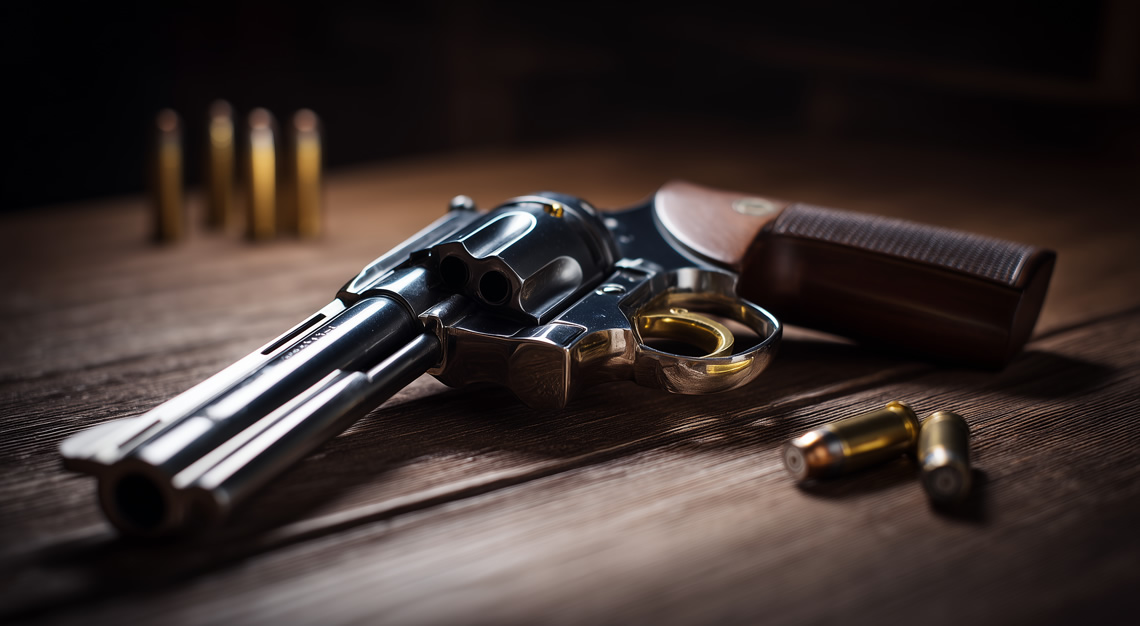
Weapons and Guns Charges
Weapons and gun charges in Arizona can range from possessing a weapon without a permit to committing assault using a deadly weapon. Therefore, gun charges can be extremely serious or relatively minor, with long-term prison sentences and hefty fines.
Understanding a charge for weapon possession without the appropriate documentation or deadly weapon use can be very difficult without the aid of an attorney who's knowledgeable on Arizona weapon and gun laws. Thankfully, an attorney with extensive knowledge of Arizona's law should combat weapon or gun charges in this state.
Prohibited Weapons under Arizona's Law
A prohibited possessor is someone who under Arizona law can't possess a firearm,prohibited weapon, or deadly weapon. If anyone falls in one of these categories and has a prohibited weapon, they could face charges of misconduct involving weapons. The six major categories of those deemed prohibited possessors under Arizona's law are:
Court Order
You can't possess a deadly weapon when a court order precludes you from doing so. Courts might forbid people to possess weapons if they're considered to be a danger to others or themselves, or they have some kind of disability that comprises acute, persistent, or grave disability.
Parole/Probation
People with a criminal conviction and are presently under the court's jurisdiction, probation department, or prosecutor's office aren't permitted to possess a prohibited or deadly weapon.
Felony Conviction
Whenconvicted of a felony, a person loses his or her right to possess firearms. In some circumstances, those with felony convictions don't realize that they've lost their privilege to own firearms until they face misconduct charges involving weapons.
Others even use weapons for hunting or sporting events without knowing that they aren't supposed to possess any weapons. It's worth noting that a convicted felon can restore his rights to firearm possession. However, they can't possess any firearms until they obtain approval from a judge.
Rule 11
People who've gone through Rule 11 Court and established to be incompetent can't possess weapons.
Aliens
Those lacking documentation and are in the U.S. whether for business or other purposes are usually not permitted to possess weapons unless an exception exists.
Guilty but insane
People who've undergone a criminal trial and found guilty but insane under the law aren't capable offirearm possession.

Misconduct penalties for weapons Convictions
This statute is extremely large and covers a wide range of conduct. Therefore, it describes prohibited conduct across a wide spectrum and the penalties range from a Class 2 Felony, which is the most serious to a Class 3 Misdemeanor, which is the least serious. Here's the various classifications under Arizona law:
Class 1
- Failure to inform police of a weapon
- Carrying a weapon to a polling place or school
- Failure to remove a weapon when requested to do so lawfully
Class 2
- Weapon-involving terrorism
Class 3
- Drive-by shootings
Gang-related activity involving weapons
- Giving somebody a weapon for committing a felony
Class 4
- Having a prohibited weapon
- Using a weapon to commit a felony
- Using a weapon in furtherance or part of a gang or criminal syndicate
Defenses to Misconduct Charges
Misconduct charges involving weapons might seem hopeless, but this isn't the case. Some defenses include:
Knowledge
The most common knowledge of this charge is concerning someone's knowledge of the proximity or existence of the weapon. This applies to the most common form of misconduct concerning weapons-being a prohibited possessor who isn't permitted to possess a weapon.
Here, the question becomes whether the person facing charges knew about the weapon's existence. If reasonable doubt exists as to whether the one being charged knew of the weapon's existence, it can be hard for a jury to find the person guilty.
Weapon Definition
At times, individuals face misconduct charges for possessing prohibited materials or weapons when they aren't weapons but have other functions. For instance, explosives have numerous legitimate functions in mining, construction, and demolition.
If their definition occurs beyond the scope of the forbidden weapons statute, they might not be deemed prohibited weapons. In this case, they might not qualify as prohibited weapons, so possessing them might not constitute misconduct.

Possession
At times, a person might know about a weapon's existence but might not possess the weapon. Remember, the existence of a weapon or its vicinity to a person doesn't imply that the person possesses the weapon.
Under Arizona's law, possession is described by a person's capacity to exercise control or dominion over the weapon. The person facing possession charges might have recognized the weapon's existence, but didn't have control over it since it belonged to someone else and was under their dominion.
Numerous defenses exist for weapon misconduct depending on your case's facts. You just need to hire the rightcriminal defense attorney to defend you.
If you're facing charges relating to weapons, you might want to understand Arizona's law and secure the right legal counsel to ensure a fair trial.
Call the Phoenix Criminal Lawyer criminal law team at a (602) 600-0447 to get expert-level legal help with your case.


