
What Is a Boating DUI in Arizona? Laws, Penalties, and Legal Consequences
Understanding Boating Offenses in Arizona
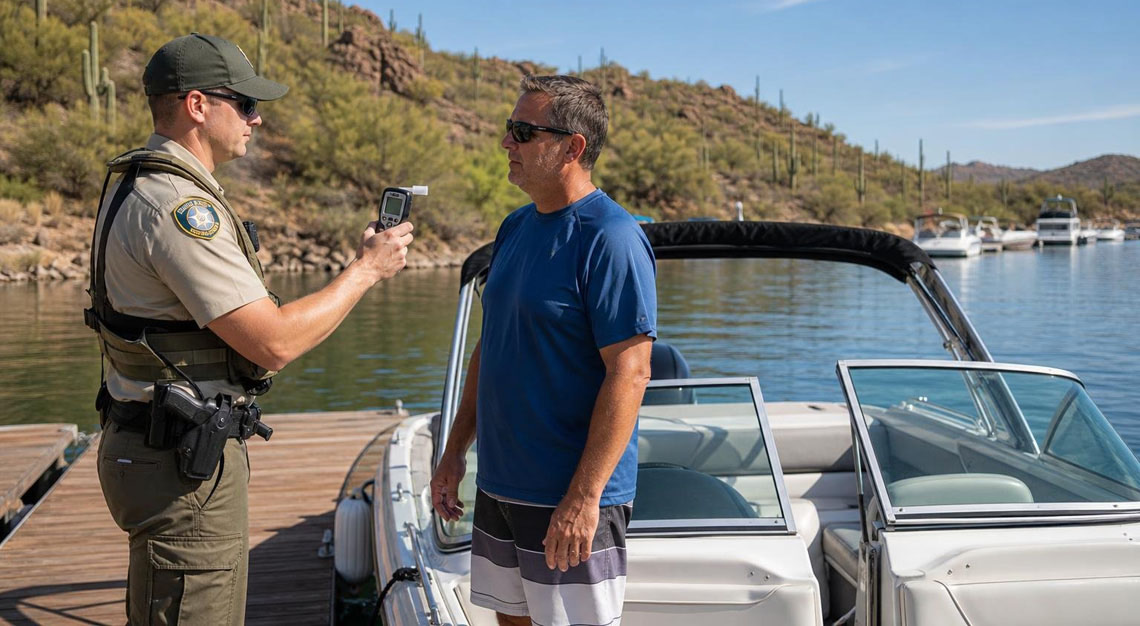
Arizona's lakes and waterways become popular destinations during warm months. Many residents and visitors take boats out for recreation during this time. These trips often include alcoholic drinks, which creates legal problems if you operate a boat while impaired.
Arizona law prohibits operating motorized watercraft while under the influence of alcohol or drugs. This law applies to various types of vessels including boats, jet skis, Waverunners, and SeaDoos. The state calls this offense Operating Under the Influence (OUI) or boating under the influence.
You face criminal charges if law enforcement catches you operating these vessels while intoxicated. The legal consequences match those of standard drunk driving violations. Officers regularly patrol water areas throughout the state to enforce these laws.
An Arizona boating DUI carries the same weight as a vehicle DUI. You need to understand these regulations before heading out on the water.
Operating a Watercraft Under the Influence Laws in Arizona
Requirements for BUI Prosecution
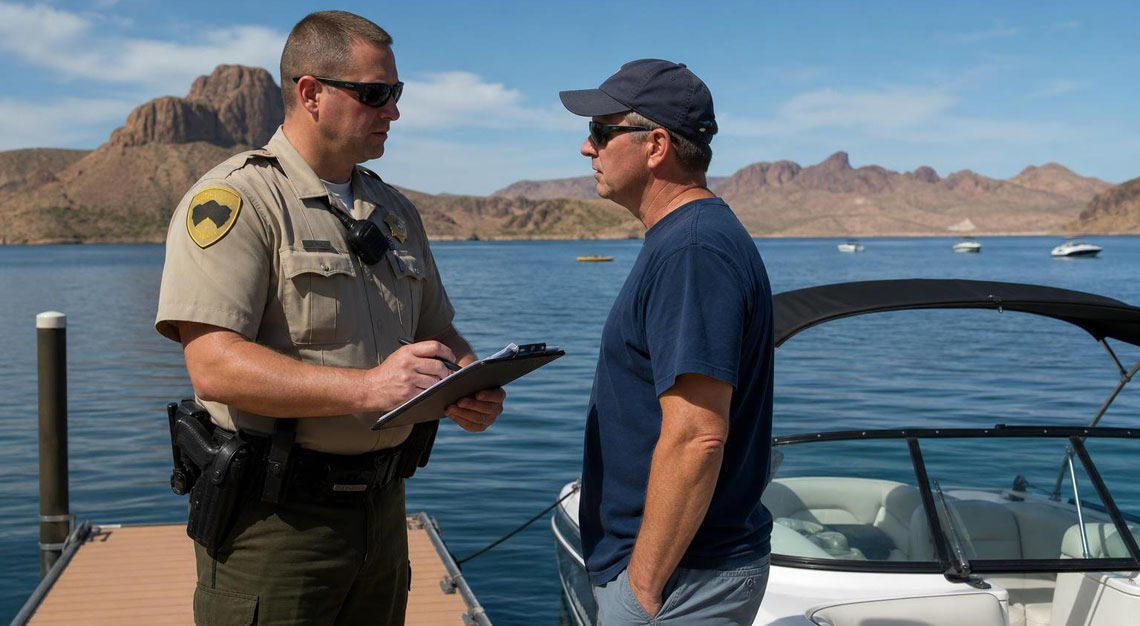
Arizona prosecutes boating under the influence under A.R.S. § 5-395. The law applies when you operate motorized watercraft including boats and jet skis on state waters.
You can be charged with BUI under three specific conditions:
- Impaired to the slightest degree by alcohol, drugs, or vapor-releasing substances
- BAC of 0.08 or higher within two hours of operating the watercraft
- Presence of illegal drugs or their metabolites in your system while operating
Arizona BUI laws mirror Arizona DUI laws for motor vehicles. The state enforces identical blood alcohol limits for both. You face charges regardless of when you consumed alcohol, whether before or during your time on the water.

Physical Control of the Vessel
Operating a watercraft under the influence extends beyond active navigation. You can face OUI charges if you have actual physical control of a motorized vessel while intoxicated.
This means prosecution is possible even when your boat remains stationary. The key factor is whether you maintain control over the watercraft. Simply being in a position to operate the vessel while impaired can result in criminal charges under ARS § 5-395.
Water Safety Checkpoints in Arizona
Peak Season Timing
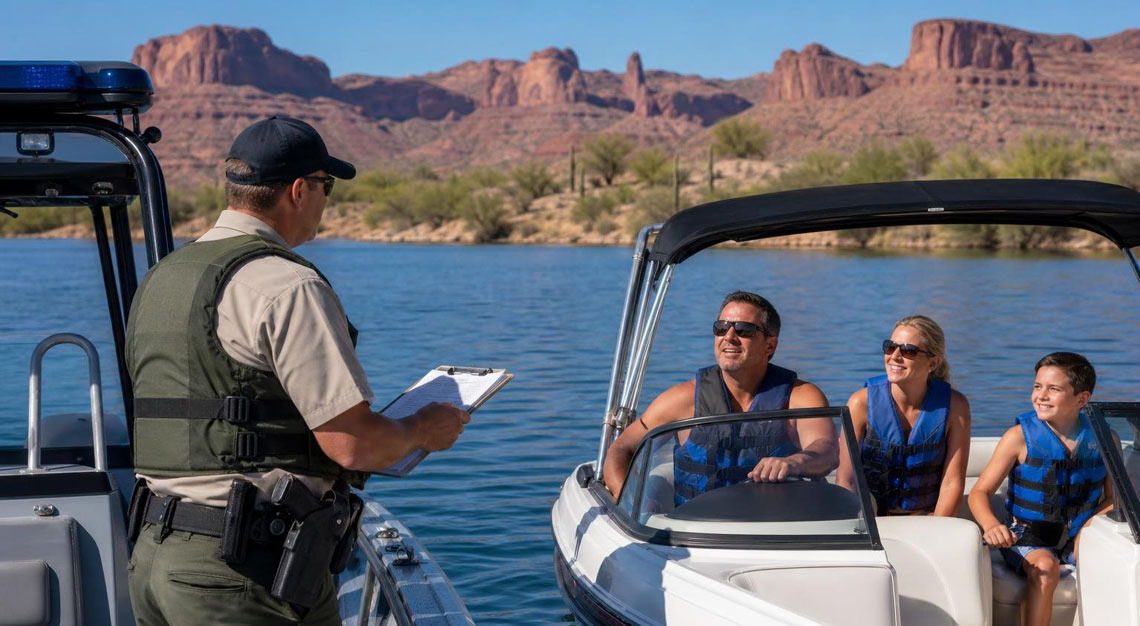
Arizona waters see increased law enforcement activity during specific months each year. Officers from the Arizona Game and Fish Department and county sheriff marine units expand their operations from March to September. This timeframe matches when most people use boats and watercraft for recreation.
Where Officers Set Up Stops
Law enforcement targets specific bodies of water where boating activity is highest. You may encounter checkpoints at:
- Lake Havasu
- Bartlett Lake
- Lake Pleasant
- Saguaro Lake
These locations see heavy traffic during warm weather months.
What Officers Can Do
Arizona Game and Fish wardens hold full peace officer authority on state waters. They can legally stop your watercraft without prior cause at checkpoints. County sheriff marine patrol units operate with identical powers. Officers at these stops can request identification, conduct sobriety evaluations, write tickets, and place you under arrest if they find violations.
Understanding Your Rights During a Boating DUI Stop
When officers stop you at a water checkpoint, they may request field sobriety tests while you remain on your boat. These balance tests on a moving watercraft create challenging conditions that can suggest impairment even when you are sober.
You have the option to refuse field sobriety tests. A breathalyzer or blood test offers more reliable measurements of your actual state.
What the Law Guarantees You:
- Remaining silent when officers ask you questions
- Requesting an attorney to protect your interests
- Speaking with legal counsel before agreeing to any testing procedures
You can ask for a lawyer before submitting to breath or blood testing. Your request must not create unreasonable delays in sample collection.
Knowing these protections allows you to respond appropriately when authorities stop you while operating a boat or watercraft.
Consequences for Operating Watercraft While Impaired in Arizona
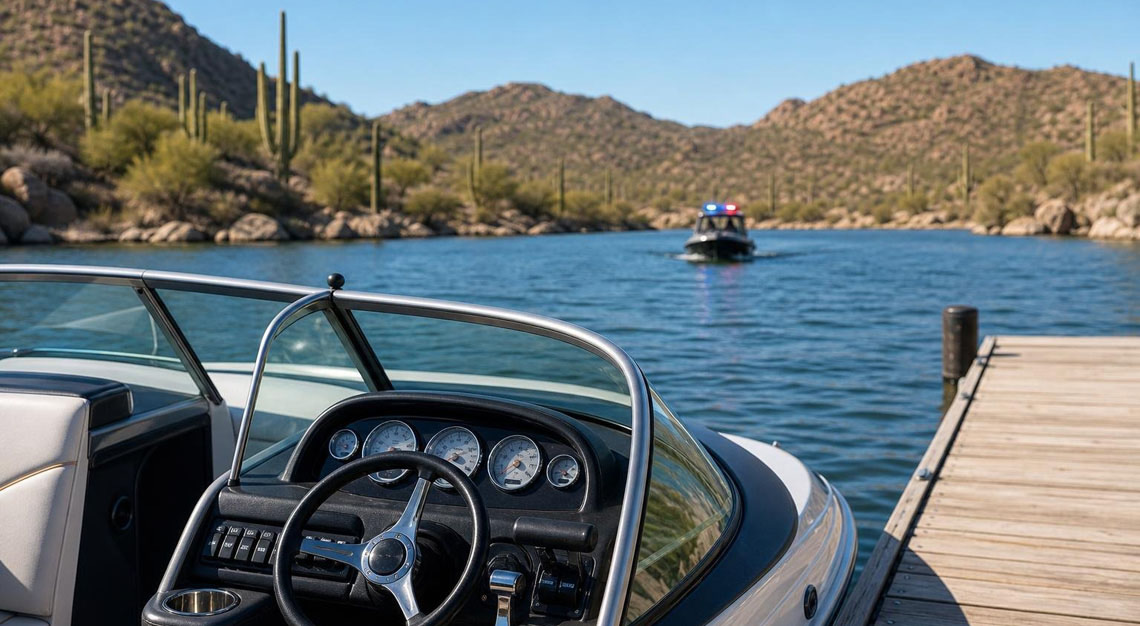
The legal repercussions you face depend on your blood alcohol level and your criminal history.
Initial Violation (BAC 0.08-0.15)
You will be charged with a Class 1 misdemeanor. The potential jail time reaches six months, though the court may suspend this sentence if you complete an alcohol evaluation program.
Financial penalties total roughly $2,100.
Subsequent Violation (within a five-year period)
The consequences become more severe. You must serve no less than 90 days in jail. However, 60 days can be suspended after completing an alcohol evaluation program.
You will pay approximately $2,500 in fines. This charge remains a Class 1 misdemeanor.
Additional Violation (within a five-year period)
A conviction at this level requires a minimum of six months behind bars. You must complete alcohol screening courses and pay about $2,500 in fines.
The charge may be upgraded to a felony at this stage.
|
Offense Level |
Minimum Jail Time |
Fine Amount |
|---|---|---|
|
First |
Up to 6 months (may be suspended) |
$2,100 |
|
Second |
90 days (60 may be suspended) |
$2,500 |
|
Third |
6 months |
$2,500 |
High-Level BAC Violations While Boating
Operating a watercraft with a blood alcohol content exceeding .15 within two hours of being on the water results in enhanced criminal charges. The legal system treats these violations more seriously than standard boating while intoxicated offenses.
First High-Level BAC Violation:
A first offense carries the following penalties:
- 30 days jail minimum (20 days may be suspended)
- Fines totaling around $2,500
- Mandatory alcohol education programs
- Class 1 misdemeanor conviction
You must serve at least 10 days in jail. The court cannot suspend the entire sentence.
Second High-Level BAC Violation (within 5 years):
If you commit another offense within five years, you face harsher consequences:
|
Penalty Type |
Requirement |
|---|---|
|
Jail Time |
120 days minimum (60 days may be suspended) |
|
Fines |
Approximately $2,500 |
|
Education |
Alcohol education classes required |
|
Criminal Record |
Class 1 misdemeanor |
You must serve at least 60 days behind bars for a second violation. The minimum jail requirement increases four times compared to a first offense.
Fighting Boating Impairment Charges in Arizona

Getting charged with operating a watercraft under the influence doesn't mean you will be convicted. Defense lawyers can use several methods to fight these charges based on errors made during your arrest.
Insufficient Justification for Arrest
Law enforcement officers need valid reasons to believe you were operating your watercraft while impaired before they can make an arrest. Your lawyer can question whether the officer had proper grounds to stop and arrest you.
Problems with testing procedures can weaken the prosecution's case. Officers must follow strict rules when giving field sobriety tests, blood tests, or breath tests. If these tests were done wrong, the results may not be allowed in court. For example, breath test machines need regular maintenance and calibration. These devices must be calibrated within 10% accuracy every 31 days and pass a seven-test quality check every 90 days. When officers skip these requirements, your test results could be thrown out.
Additional Legal Arguments
Your attorney might also examine whether the initial stop was legal. Officers must have reasonable suspicion before stopping your boat. Stops based on your race, gender, religion, or age violate your constitutional rights.
Other ways to defend your case include:
- Unlawful search and seizure of evidence
- Failure to read Miranda Rights correctly
- Errors in collecting or testingforensic evidence
Legal Representation for Arizona Boating Offenses

Facing charges for operating a watercraft while impaired requires skilled legal help. Our firm handles these cases across Arizona and knows the specific laws that apply to boating offenses. Our lawyers work to lower penalties or seek dismissal of charges where the facts support it.
Our Services Include:
- Examination of your case details and legal options
- Building a defense plan tailored to your charges
- Standing with you in court proceedings
- Working with prosecutors on your behalf
Call our criminal defense team at (602) 600-0447 to discuss your charges. We offer consultations where you can learn about your situation and what steps you can take next.


